Phoenix Desert Modern Homes and Design Essentials
July 2, 2026
July 2, 2026
Wondering why desert modern homes feel so right in Phoenix? It is not just a design trend. In a city with long stretches of extreme heat, very little annual rainfall, and thousands of acres of desert parks and preserves, this style reflects how people actually live here. If you are buying, selling, or simply trying to understand the appeal, this guide will show you what desert modern means in Phoenix and what details matter most. Let’s dive in.
Phoenix gives desert modern design a real purpose. NOAA normals for Phoenix Sky Harbor show average highs above 100°F from June through September, and annual precipitation is just 7.22 inches. In that setting, features like shade, controlled daylight, and easy indoor-outdoor flow are not just aesthetic choices. They help a home function better day to day.
The city’s landscape also reinforces that connection. Phoenix notes that it includes 41,000 acres of desert parks and mountain preserves, which helps explain why many homes are designed to frame views, connect with the outdoors, and feel grounded in the Sonoran Desert. Desert modern living often feels natural here because the architecture responds to the environment instead of fighting it.
Desert modern is not new in Phoenix. The city’s historic preservation materials highlight postwar modern architecture as an important part of local identity, with names such as Frank Lloyd Wright, Ralph Haver, Al Beadle, and Bennie Gonzales tied to that story. That history gives the style staying power beyond short-term design trends.
It is also important to know that Phoenix modernism is not limited to large custom estates. The city’s preservation report notes that many historic districts include modest mid-century neighborhoods rather than only mansion areas. For you as a buyer or seller, that means desert modern ideas show up across a wider range of homes and price points than many people expect.
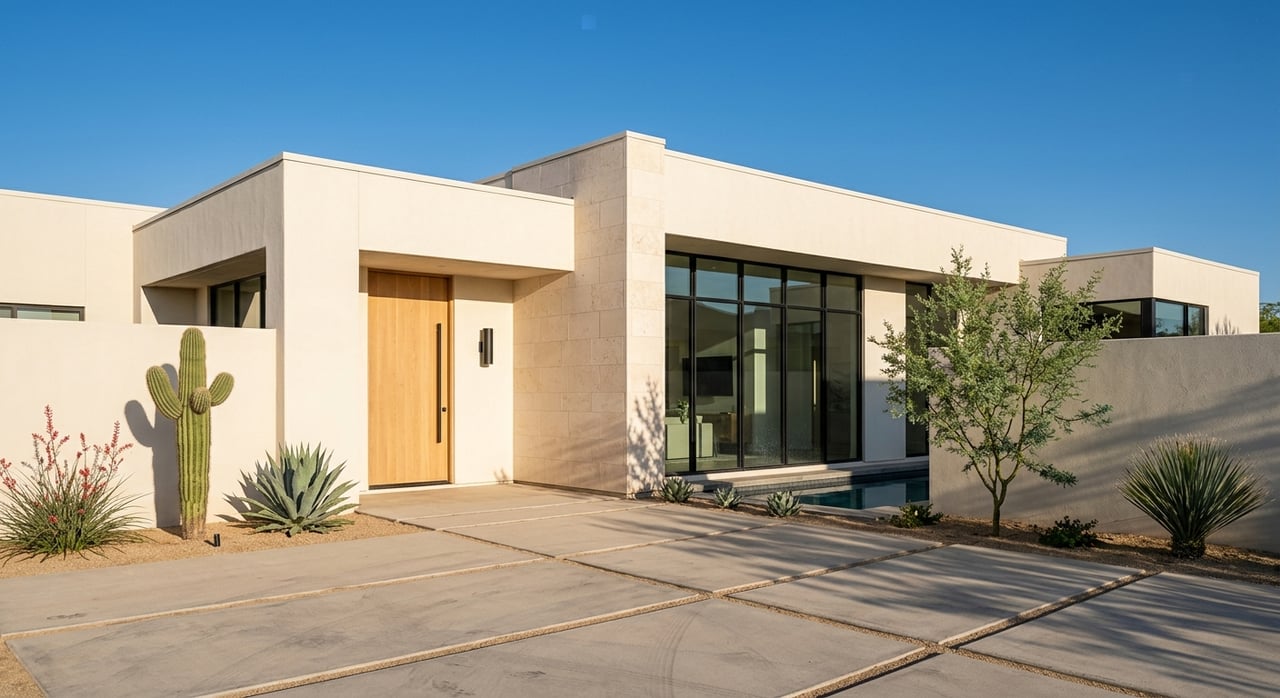
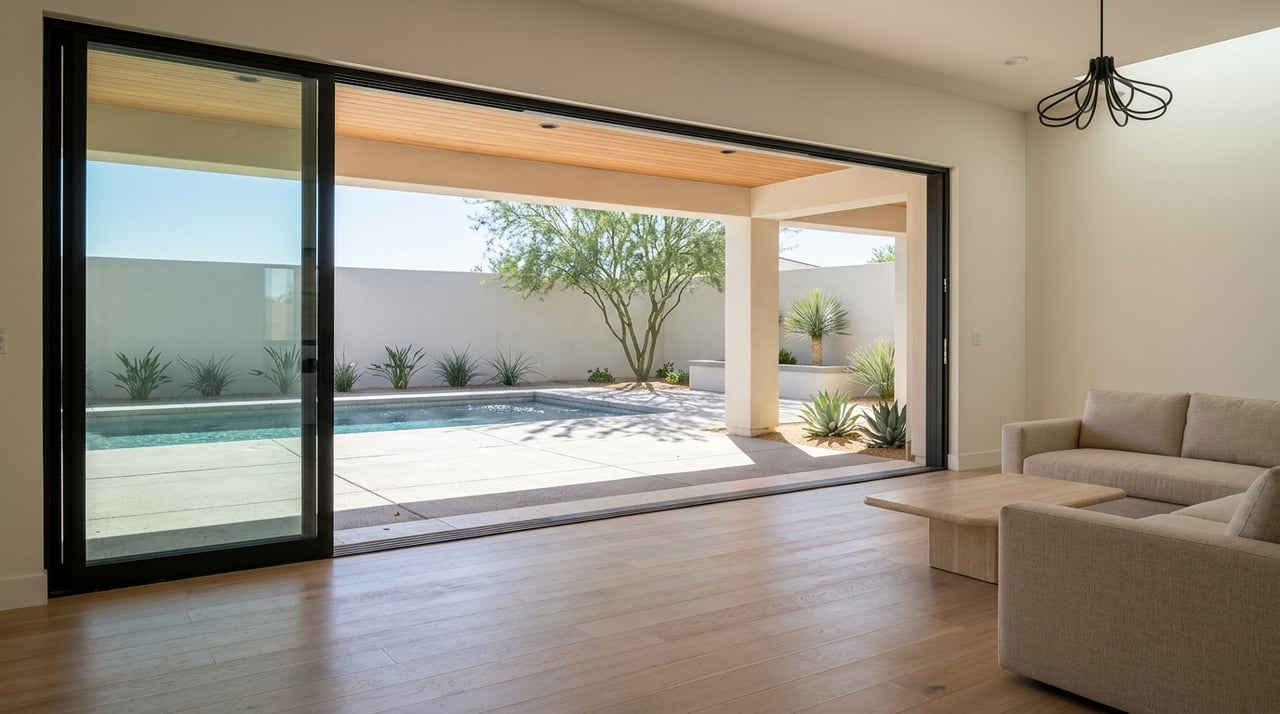
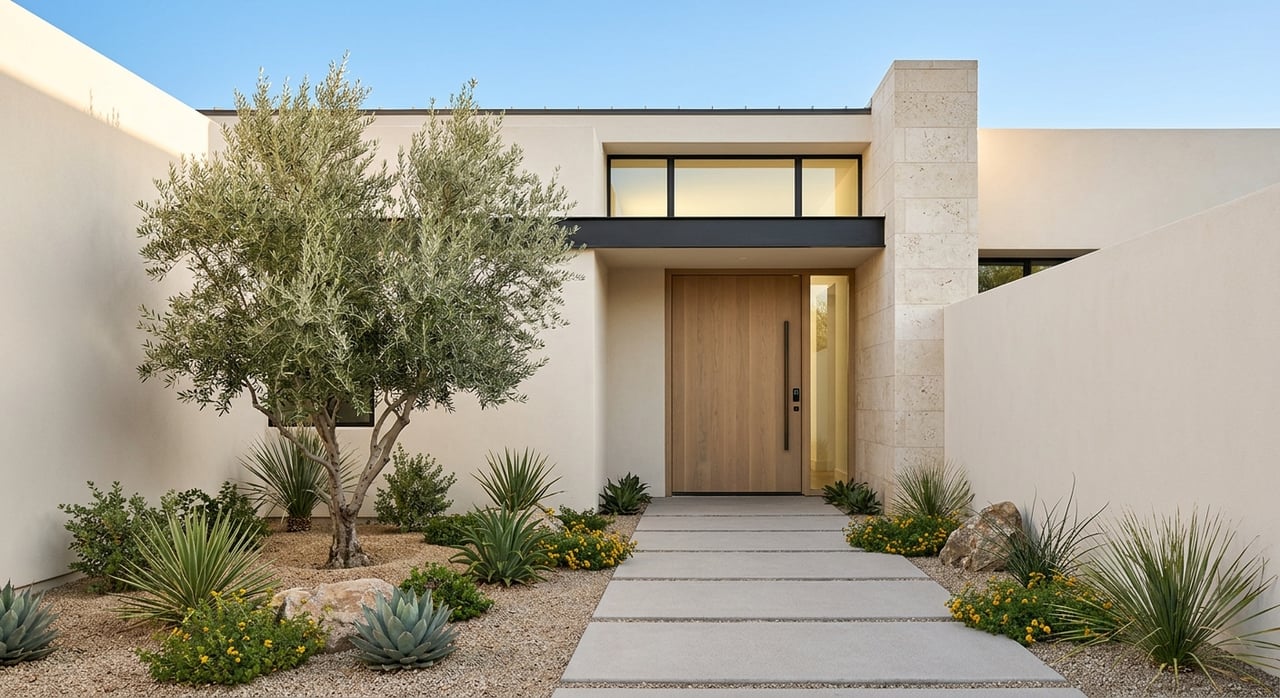
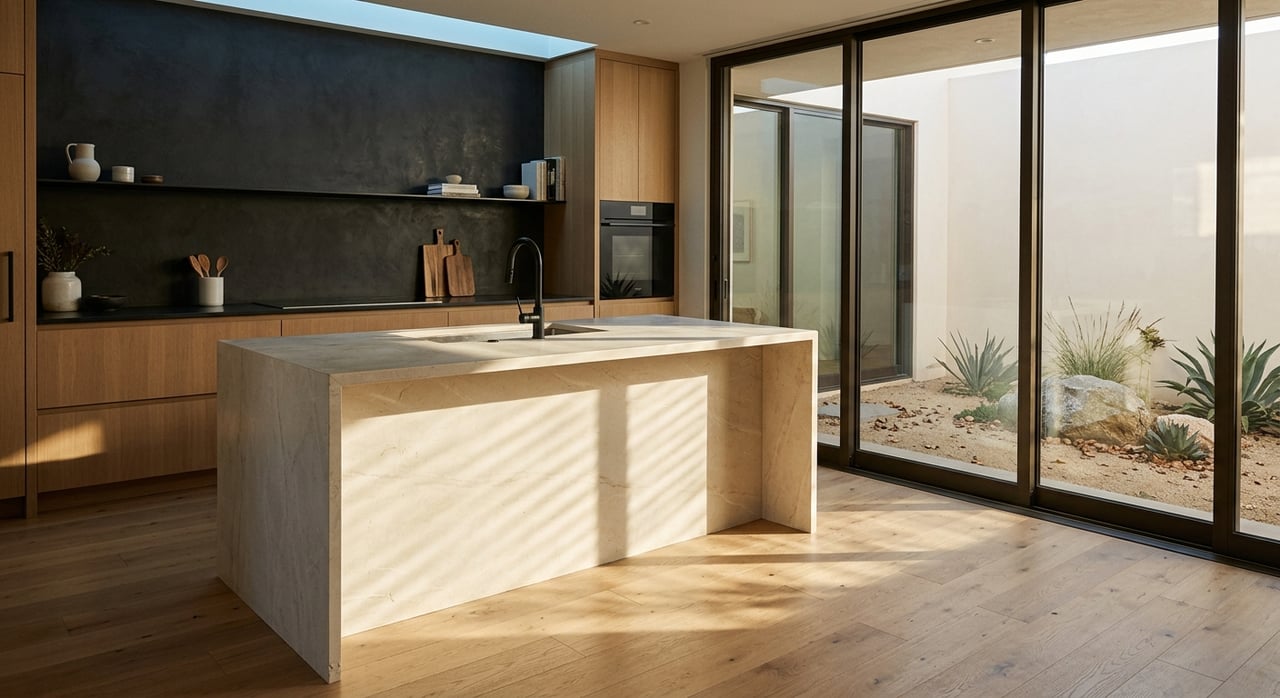
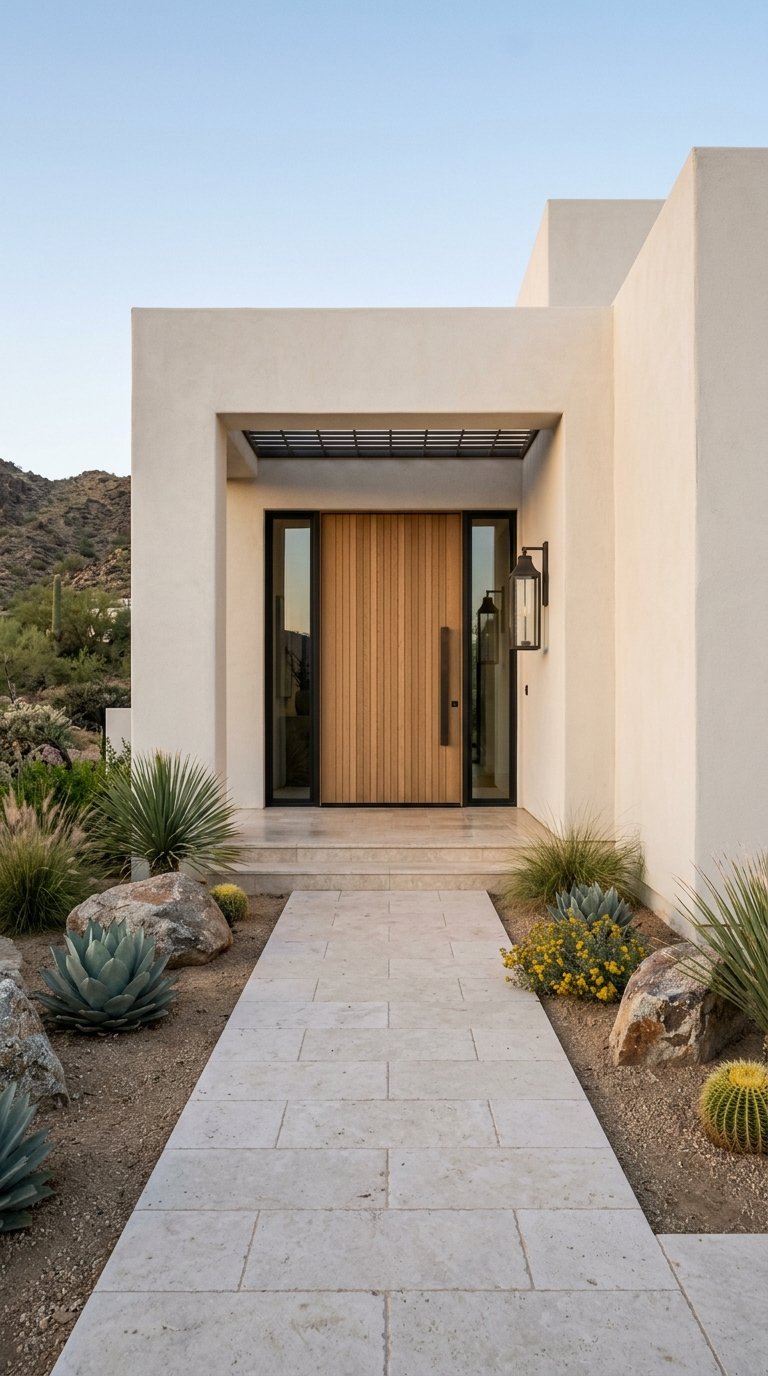
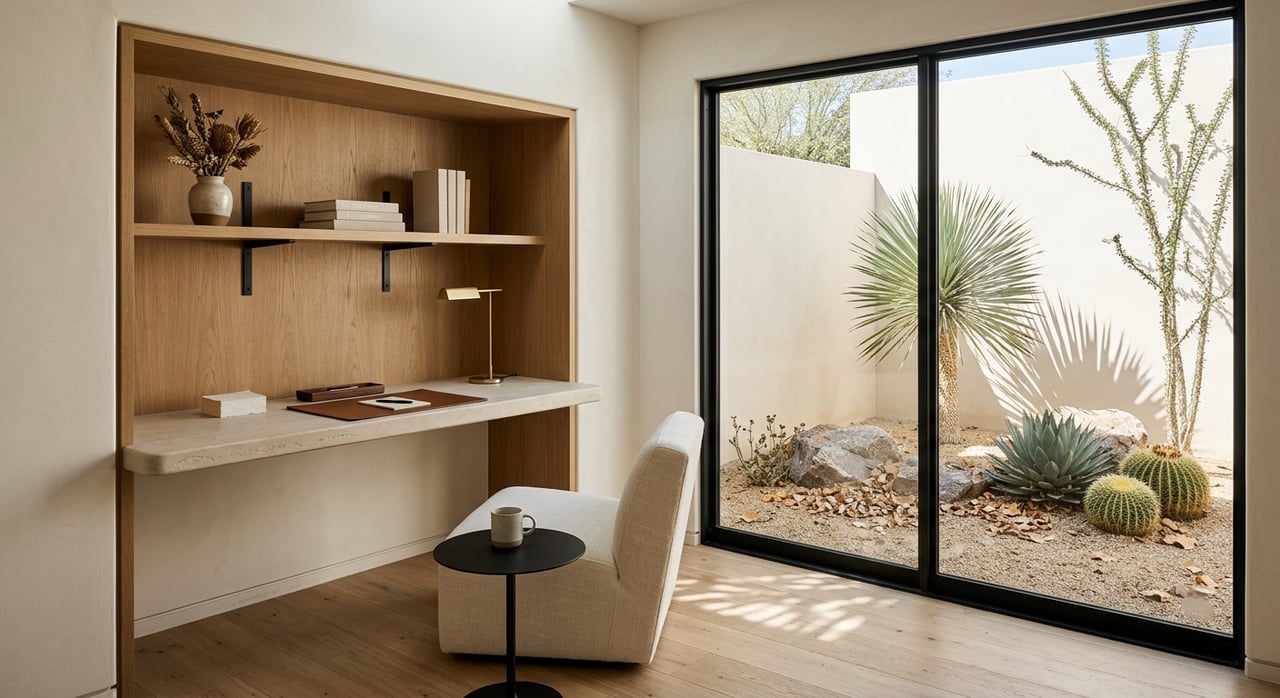
In Phoenix, desert modern homes usually read as clean, simple, and low-profile. ASU Library materials on Arizona modernism describe common features such as expansive glass, deep overhanging eaves, native stone and wood, and sliding glass doors that blur the line between indoors and outdoors. These homes are often horizontally oriented and intentionally restrained rather than overly ornate.
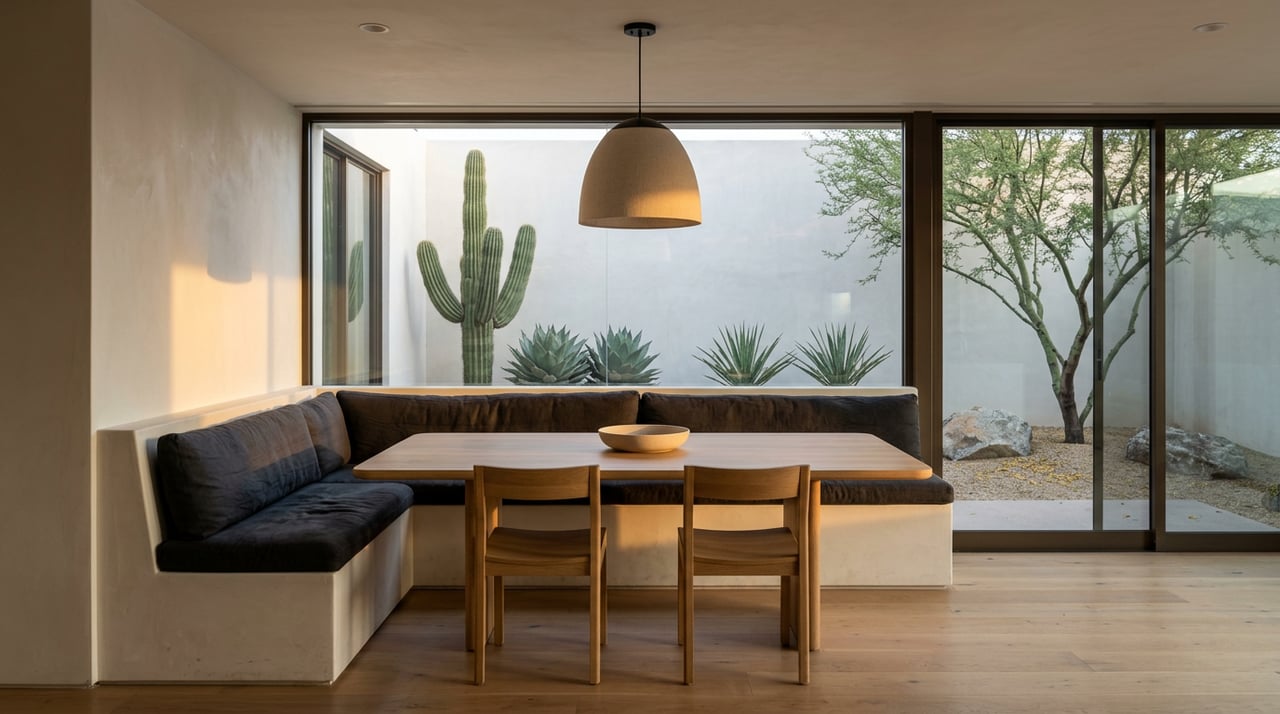
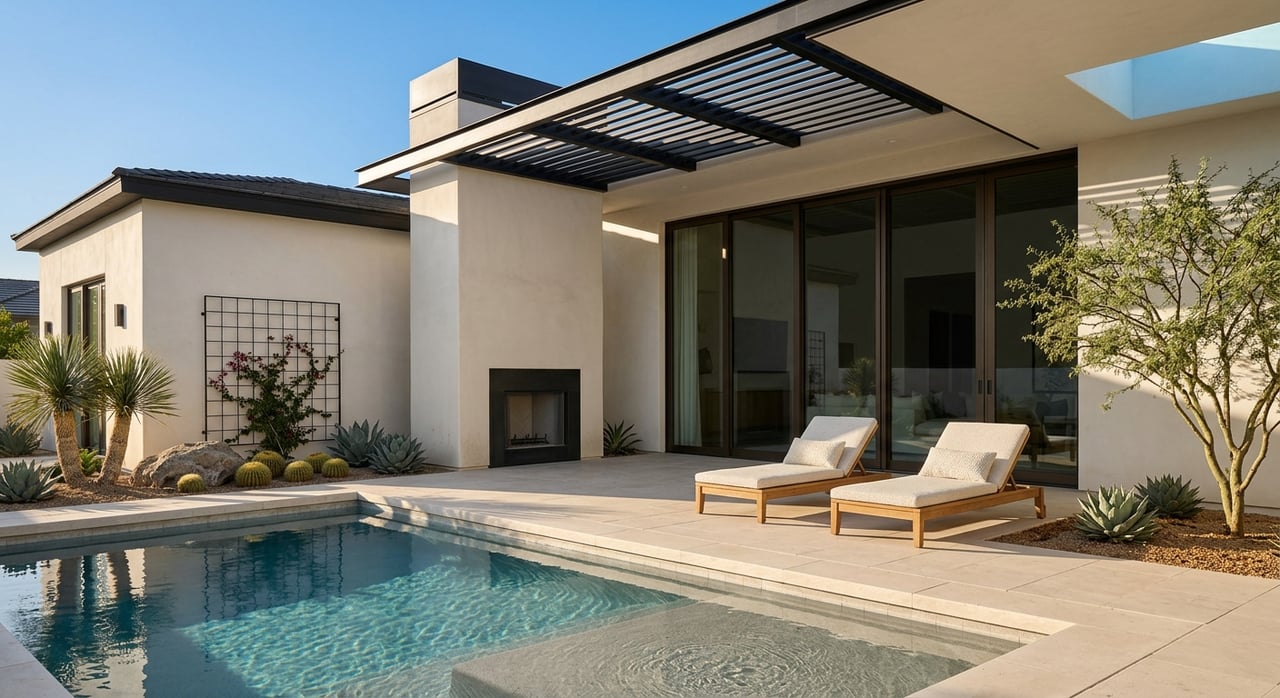
You may also notice flat or nearly flat rooflines, open living areas, courtyard entries, and strong visual links to patios or pool spaces. ASU materials also describe desert-friendly homes organized around pavilions, courts, and gardens, which can create privacy while still feeling open. In Phoenix, that balance is a big part of the style’s appeal.
When you browse listings or tour homes, these are some of the details that often signal desert modern design:
Desert modern living is about more than appearance. ASU notes that Arizona modern homes often support a lifestyle that shifts outdoors as the sun drops and temperatures cool. That lived experience matters in Phoenix, where summer days can be intense but evenings often become the best time to enjoy a patio, courtyard, or pool.
That is why the indoor-outdoor connection is so important. A well-designed desert modern home makes outdoor space feel usable and intentional, not like an afterthought. Covered patios, sliding doors, and shaded seating areas can make a big difference in how the home feels throughout the year.
Phoenix climate should always be part of the conversation. The City of Phoenix has a dedicated heat office focused on lowering urban temperatures and protecting public health, with resources that highlight tree shade, urban forest efforts, sidewalk shade, and pools as cooling tools. That emphasis on shade is directly relevant to home design.
The same is true for landscaping and water use. The city says up to 70% of household water use can happen outdoors, and it promotes desert landscaping with low-water-use plants adapted to Phoenix’s hard soil and infrequent rainfall. The city also points residents toward xeriscape, passive rainwater harvesting, drip systems, and shade-tree resources.
For you, the takeaway is simple: the best desert modern homes do not just look desert-appropriate. They handle sun, heat, shade, and water thoughtfully. That is where style and practicality come together.
If you want a home that lives well in Phoenix, pay attention to these practical details:
When a listing uses the phrase “desert modern,” it helps to look beyond the photos. In Phoenix, the most useful things to verify are shade, sun control, and the quality of the indoor-outdoor connection. Those features often tell you more about the home’s real livability than stylish finishes alone.
For example, walls of glass can feel beautiful, but placement matters. Deep overhangs, thoughtful orientation, and patio coverage can help manage heat and glare. Mature landscaping, especially shade trees and low-water planting, can also affect comfort, maintenance, and water use in a meaningful way.
If you are comparing homes, try to separate true climate-responsive design from homes that simply borrow the look. That distinction can affect how comfortable the property feels and how well it supports your long-term goals.
If you own a desert modern or desert-influenced home in Phoenix, presentation matters. Buyers are often drawn to the visual clarity of the style, so simple lines, uncluttered spaces, and materials that feel at home in the desert tend to photograph and show well. Small choices can either reinforce that architectural logic or distract from it.
It also helps to showcase the home’s practical strengths. Covered patios, established desert landscaping, shade trees, and a strong indoor-outdoor layout deserve attention because they connect directly to how people live in Phoenix. In other words, good marketing should show not only how the home looks, but also how it performs in the local climate.
One of the most interesting parts of Phoenix design is its range. The city’s preservation materials make clear that modern architecture appears in both modest mid-20th-century neighborhoods and more design-forward luxury properties. That broader history gives buyers more ways to explore the style depending on their budget, goals, and taste.
You may find homes with original mid-century character, updated interpretations of desert-sensitive design, or newer construction inspired by classic Arizona modernism. Each can offer a different version of desert modern living, but the strongest examples usually share the same core idea: they belong in Phoenix.
In a market like Phoenix, architecture is not just visual. It can shape comfort, maintenance, lifestyle, and long-term appeal. If you are buying, design awareness helps you judge whether a home truly fits the climate and supports the way you want to live.
If you are selling, that same awareness can help position your home more clearly. Buyers tend to respond when a property’s style, setting, and livability all make sense together. That is especially true with desert modern homes, where the best value often comes from both design quality and practical performance.
Whether you are evaluating a classic mid-century property, a renovated desert home, or a newer modern build, it helps to have guidance that looks at both lifestyle and the numbers. If you want a thoughtful perspective on Phoenix homes, design, and market positioning, connect with Rami Haddad.
Stay up to date on the latest real estate trends.
From pricing and marketing to negotiation and closing, Rami delivers a customized plan designed to maximize results and minimize stress.