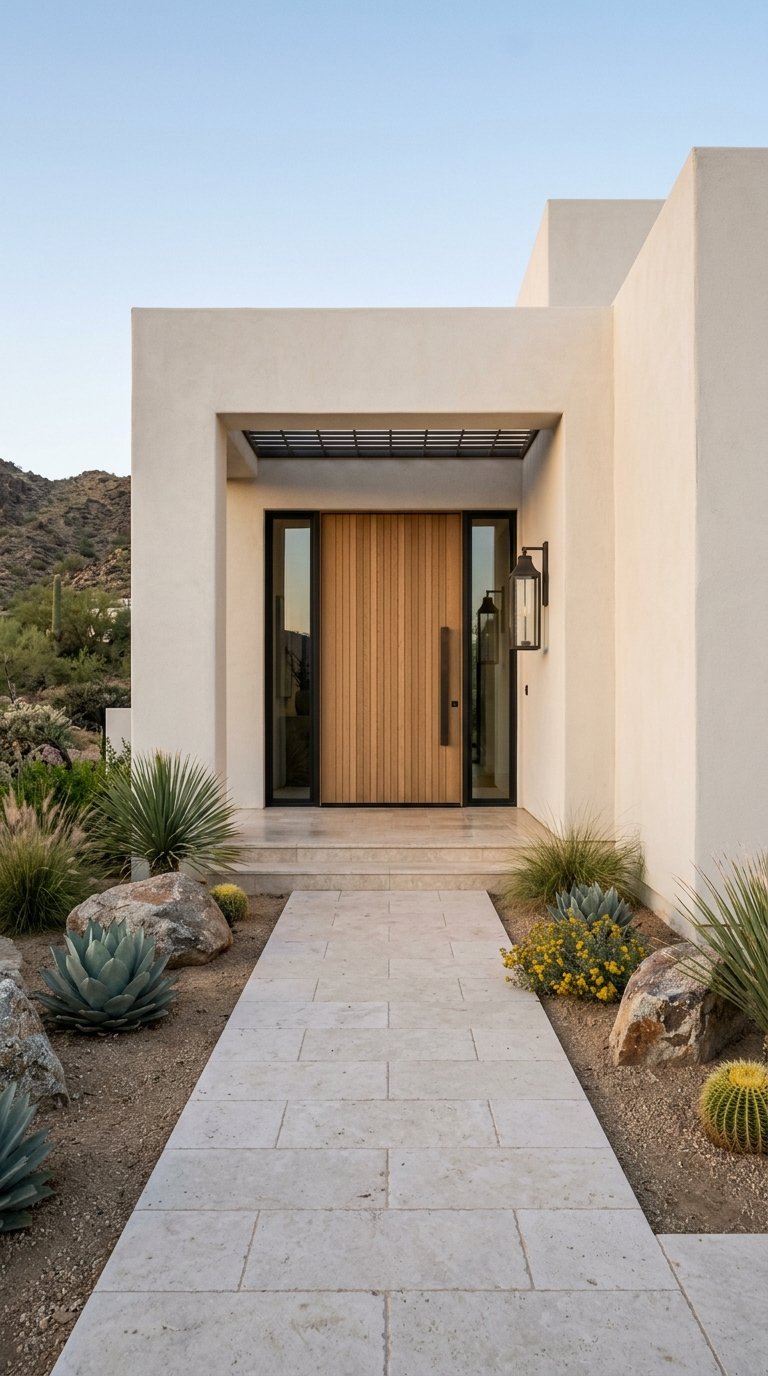
Best Time to Sell a Home in Phoenix
June 11, 2026
June 11, 2026
If you are thinking about selling your home in Phoenix, timing can shape everything from buyer interest to your final sale price. You want to hit the market when demand is active, your home shows well, and your own move still feels manageable. The good news is that Phoenix gives sellers some clear seasonal patterns to work with, especially when you pair them with smart pricing and preparation. Let’s dive in.
Phoenix is not a market where timing means everything, but it does influence how much attention your listing gets. Local resale activity tends to build from winter into spring, which gives sellers a stronger pool of active buyers during that stretch.
ARMLS data shows residential sales rising from 4,728 in January 2026 to 7,580 in March, 7,572 in April, and 7,393 in May. ARMLS also reported that April 2026 had the highest April closing count in four years. That makes late winter through spring the most defensible selling window based on local activity.
Climate also plays a real role in Phoenix. According to NOAA normals for Phoenix Sky Harbor, average highs move from 67.6 degrees in January to 85.5 in April, 94.5 in May, and 104.2 in June. For many sellers, that means outdoor spaces, curb appeal, and in-person showings are simply easier to present before summer heat fully sets in.
For most Phoenix homeowners, the strongest practical listing window is late March through May. April and early May often stand out because buyer activity is still strong, and your home can usually be shown in more comfortable conditions.
This does not mean every seller should wait for spring. It means spring is usually the season with the best combination of buyer momentum and market visibility. If your home is fully ready earlier, listing before the rush can also help you stand out.
National research points in a similar direction. Realtor.com identified April 12 through 18, 2026, as the best week to sell nationally, while Redfin says late March through mid-May is generally the strongest listing window. In Phoenix, though, those dates are best used as a guide rather than a rigid rule.
Spring tends to bring together several advantages at once. Buyers are active, the weather is friendlier for touring homes, and your exterior spaces usually look more inviting.
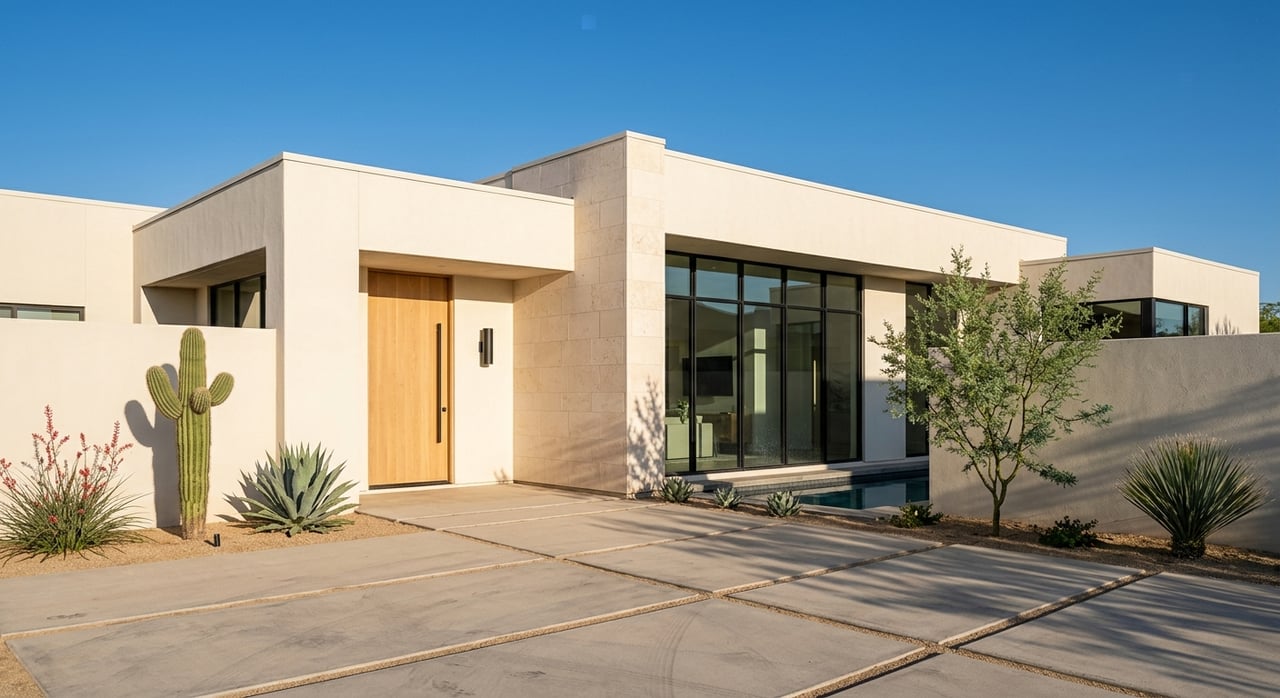
That matters in Phoenix because outdoor living often carries real value. Patios, pools, courtyards, and desert landscaping can leave a stronger impression when buyers are comfortable spending time outside. If you wait too deep into summer, the same features may still be attractive, but the showing experience can become more difficult.
Spring also tends to align well with buyer decision-making. Households that want to move before summer or before a new school year often begin their search earlier in the year, which can add to competition for well-positioned listings. The key is making sure your home is market-ready before that demand peaks.
Not every home in Phoenix moves at the same pace. One of the clearest takeaways from current local data is that property type matters.
In May 2026, Phoenix single-family homes had a median sales price of $490,000, sold in 58 days on average, received 98.2% of list price, and had 3.7 months of supply. Townhomes and condos moved more slowly, with 99 days on market and 6.8 months of supply.
If you are selling a single-family home, you may have a little more flexibility as long as pricing and presentation are strong. If you are selling a condo or townhouse, timing becomes even more important because buyers have more choices and the market is less forgiving. In that case, launching in a stronger seasonal window can help reduce the risk of sitting too long.
A good week to list can help, but it cannot rescue a home that is overpriced. In today’s Phoenix market, timing works best when it is paired with realistic pricing from day one.
The latest local update shows an active but mixed market. Single-family homes are still selling, but they are averaging 58 days on market and closing at 98.2% of list price. That tells you buyers are engaged, yet still price-conscious.
Broader housing data supports the same point. Realtor.com reported in May 2026 that median list prices were down 2.4% year over year, while pending listings were up 4.3% and new listings rose 2.1%. In simple terms, buyers are still acting, but they are responding best to homes that meet the market.
Even small rate changes can affect how many buyers stay active in your price range. Freddie Mac reported a 30-year fixed mortgage rate of 6.48% on June 4, 2026, after averaging 6.53% the week before.
That kind of movement may look minor, but it can still change monthly payments enough to influence buyer urgency. If rates ease, some buyers move faster. If rates rise, others step back or lower their budget.
For you as a seller, the takeaway is practical. Watch timing, but also pay attention to affordability conditions while you prepare to list. The strongest strategy is usually to enter the market when your home is ready and buyer demand still feels healthy.
If you want to sell in the spring, the work should usually begin well before spring. A practical Phoenix selling timeline often starts 8 to 12 weeks before launch.
That early window gives you time to handle repairs, declutter, gather documents, and study pricing. After that, you can focus on staging, landscaping, photography, and final marketing prep. This kind of runway helps you avoid rushing important decisions just to meet a seasonal target.
For higher-value homes, this prep period can be even more important. Buyers in premium price points often notice details quickly, from maintenance quality to presentation flow. A calm, organized launch usually performs better than a fast one.
Here is a practical way to think about your timeline if you want to target the strongest selling window:
At the margin, yes. Redfin says Thursday is the best day to list nationally, with Thursday listings selling about $3,000 more and five days faster on average than homes listed on the slowest day.
That is useful, but it should not outweigh bigger decisions. The best day to list will never matter as much as whether your home is fully prepared, priced well, and launched in a season when buyers are active. Think of day-of-week timing as a finishing touch, not the main strategy.
For many homeowners, the best time to sell is not just about market seasonality. It is also about your next move.
If you need to buy another home after selling, your personal timeline may matter more than chasing the perfect week. Financing, moving logistics, your home’s condition, and your comfort level with a two-step transaction all deserve real weight in the decision.
This is where tailored advice matters. A well-timed sale should support your full plan, not create unnecessary stress just to match a seasonal trend.
If you want a clear takeaway, it is this: plan around spring, prepare early, and price with discipline. In Phoenix, late March through May is usually the strongest window, with April and early May often especially attractive. But the exact timing should reflect your property type, price point, and personal goals.
A strong result usually comes from getting several things right at once. You want the market to be active, your home to show beautifully, and your pricing to match current buyer expectations. When those pieces line up, timing becomes a real advantage instead of just a guess.
If you are weighing when to sell in Phoenix, working with an advisor who can balance market data with your specific goals can make the process much clearer. For a more tailored strategy, connect with Rami Haddad.
Stay up to date on the latest real estate trends.


From pricing and marketing to negotiation and closing, Rami delivers a customized plan designed to maximize results and minimize stress.