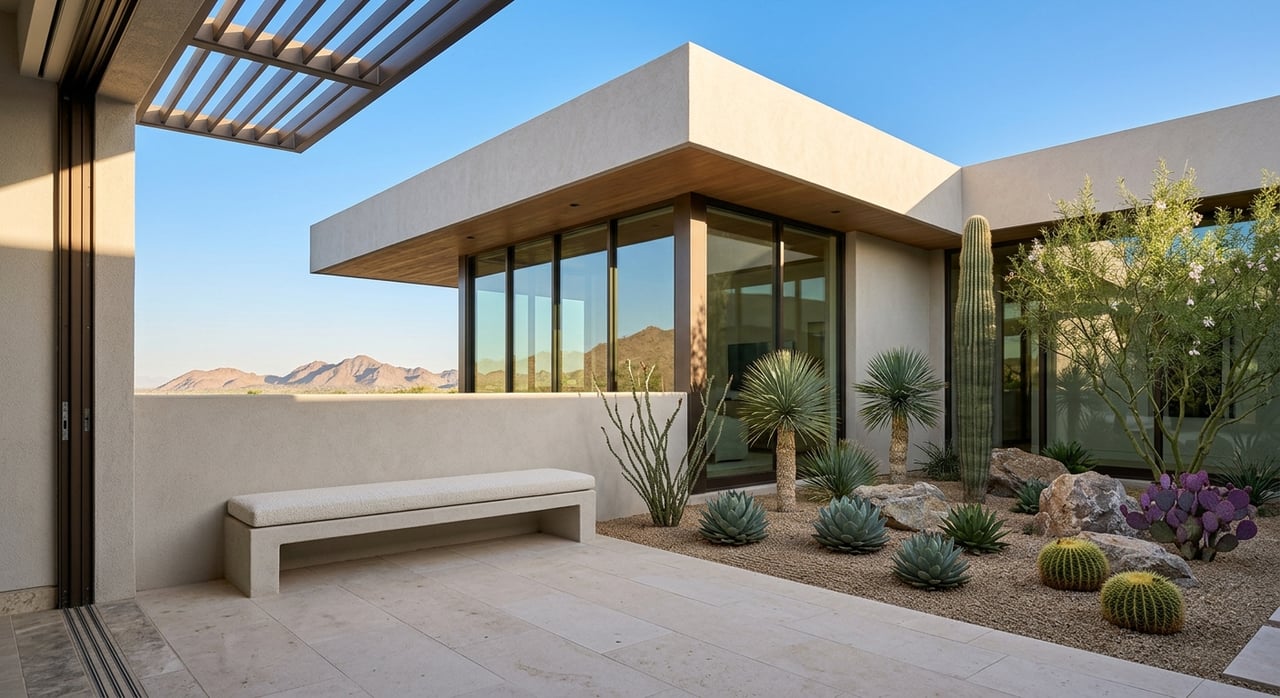
Understanding Paradise Valley Mountain View Home Values
May 14, 2026
May 14, 2026
If you own or are considering a mountain-view home in Paradise Valley, one question matters more than almost any other: how much is that view really worth? In a market where public trackers have recently placed prices around the multi-million-dollar range, even a small pricing adjustment can mean a very large dollar difference. The good news is that mountain views do add value in many cases, but in Paradise Valley, that value is not flat or automatic. It depends on how the view lives on the property, how durable it is over time, and how it fits the home itself. Let’s dive in.
Paradise Valley is shaped by its setting. The town’s 2022 General Plan emphasizes preserving one-acre-lot character, visual openness, open space, scenic resources, and distinctive mountain ridgelines. That local context matters because buyers are not just purchasing square footage here. They are often paying for a visual experience tied to the land itself.
That helps explain why view quality can influence value so much in this market. Public market trackers show Paradise Valley firmly in the luxury tier, with March 2026 figures ranging from about $4.8 million median sale price to nearly $5.0 million median listing price, depending on the source and metric. At that level, a 5% pricing difference can translate to roughly $240,000, which makes a careful view analysis essential.
One of the biggest mistakes sellers and buyers make is assuming all mountain views carry the same premium. They do not. The valuation literature cited by the Appraisal Institute shows that view premiums are real, but highly site-specific.
In practical terms, two homes on nearby lots can have very different value because their view corridors are different. One home may capture a broad, unobstructed mountain outlook from its main living room and patio, while the other may only have a partial mountain glimpse from a secondary bedroom. Even if those homes are otherwise similar, the market may not treat those views as equal.
The Appraisal Institute also points to a hierarchy of view quality and references prior work showing that a good view added about 8% in one single-family market. That does not mean every Paradise Valley mountain-view home gets an 8% premium. It means view value is real, measurable, and dependent on the specific property.
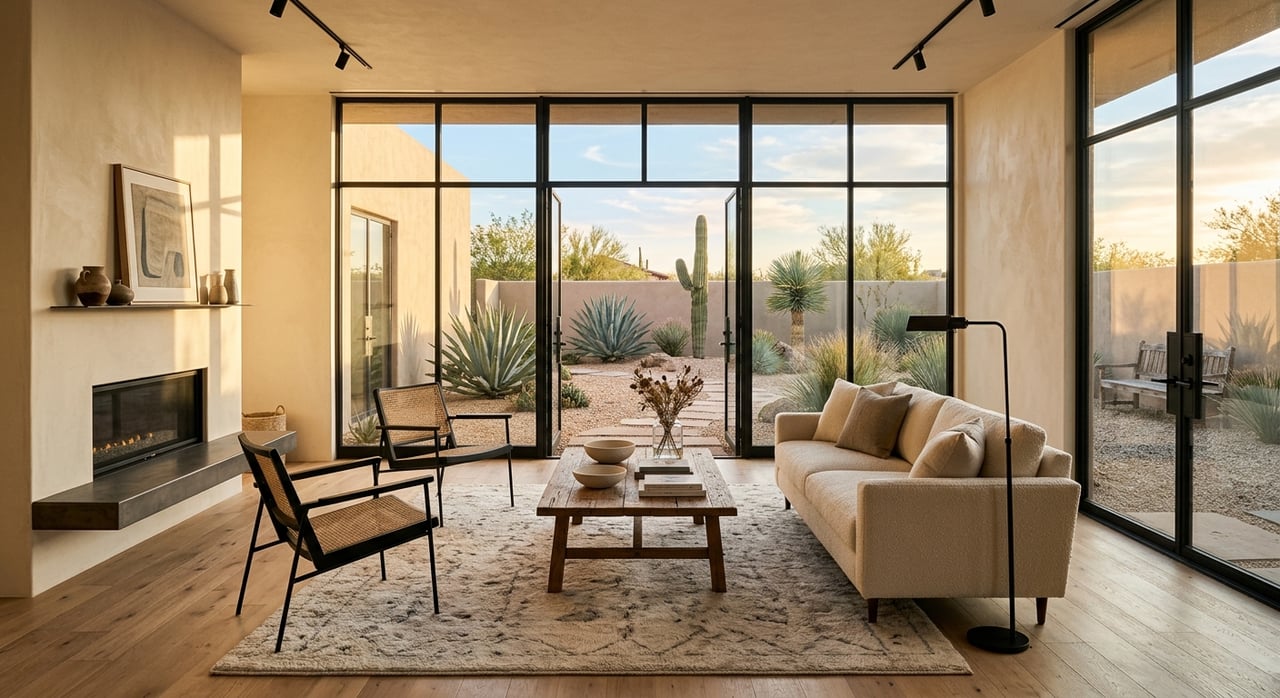
The strongest mountain-view value usually comes from a broad and open outlook rather than a narrow or interrupted one. Buyers tend to respond more strongly when the mountain view feels intentional and expansive, not incidental. A centered, framed view often reads as more valuable than a side-angle peek.
Durability matters too. A view that feels protected over time is usually more compelling than one that could be easily reduced by nearby development, lot changes, or other site alterations.
Where you experience the view matters almost as much as the view itself. Appraisal practice treats site view, design, patios and decks, and quality of construction as separate items for comparison. In a luxury market like Paradise Valley, a mountain backdrop seen from the family room, kitchen, primary suite, and main outdoor entertaining areas will usually carry more weight than a view that appears only from a hallway or guest room.
This is where thoughtful design can have a real impact. A home that opens directly toward the mountains through major living spaces often feels more connected to its setting, which can support stronger buyer interest.
Elevation can improve value when it enhances sightlines naturally. A home with a favorable site relationship to the surrounding terrain may enjoy wider and cleaner mountain views than a similar home on a flatter or less advantaged lot. In Paradise Valley, however, that advantage is shaped by local rules.
The town’s General Plan states that it seeks to mitigate impacts from lot development and redevelopment, including raising lots and building pads. Its hillside regulations also require special review, height limits, and retaining-wall controls to help preserve natural hillside character. That means natural topography can be a meaningful asset, while engineered changes that try to create a view may face limits.
For both buyers and sellers, this matters because not all elevated lots are equal. A naturally superior setting can be more defensible in value than a lot that depends on aggressive grading or improvements that may not align with local standards.
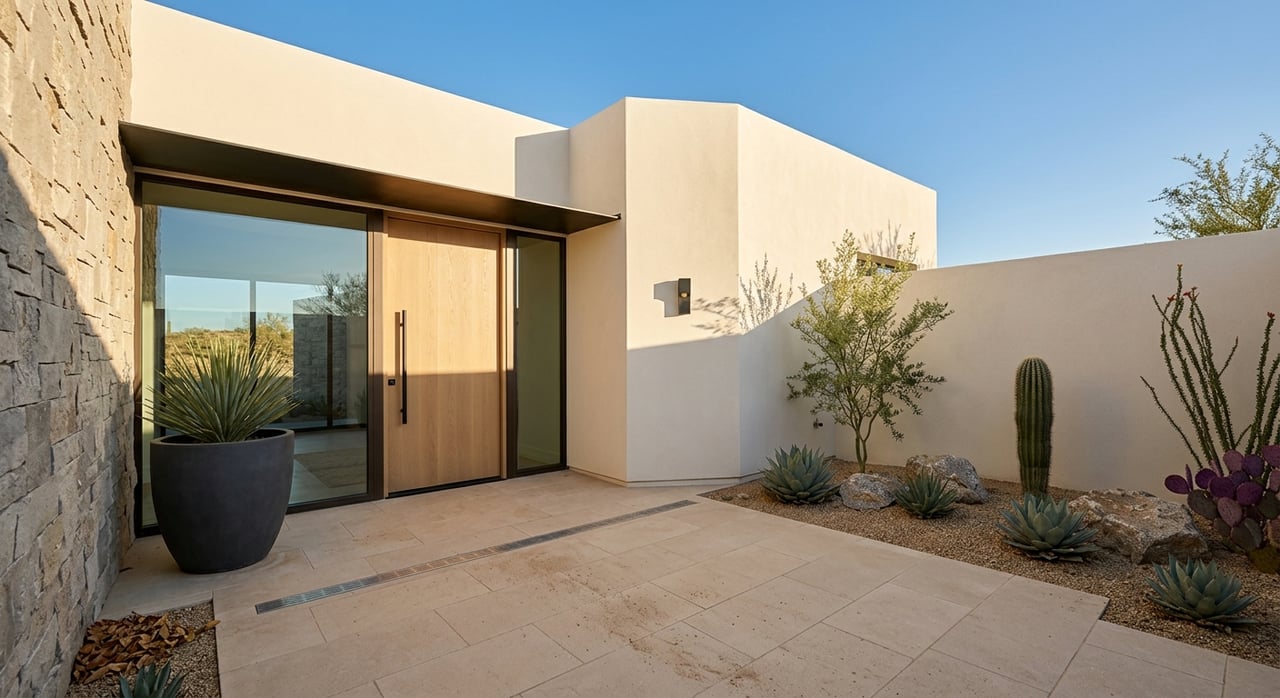
Privacy is part of the luxury appeal in Paradise Valley, but it works best when it supports the view rather than blocks it. The local hillside review guide allows screening tools such as screen walls, pool-barrier fencing, and view fencing. It also requires retaining walls and screening elements to blend with natural colors and minimize visual mass.
That balance is important. A property can feel private, calm, and usable without becoming visually closed off. In many cases, the most valuable homes are the ones that create comfort and separation while still preserving openness toward the mountain outlook.
If privacy features interrupt key sightlines from patios, pools, or primary rooms, they may reduce some of the value the view would otherwise create. If they are designed with restraint, they can improve livability and support the overall premium.
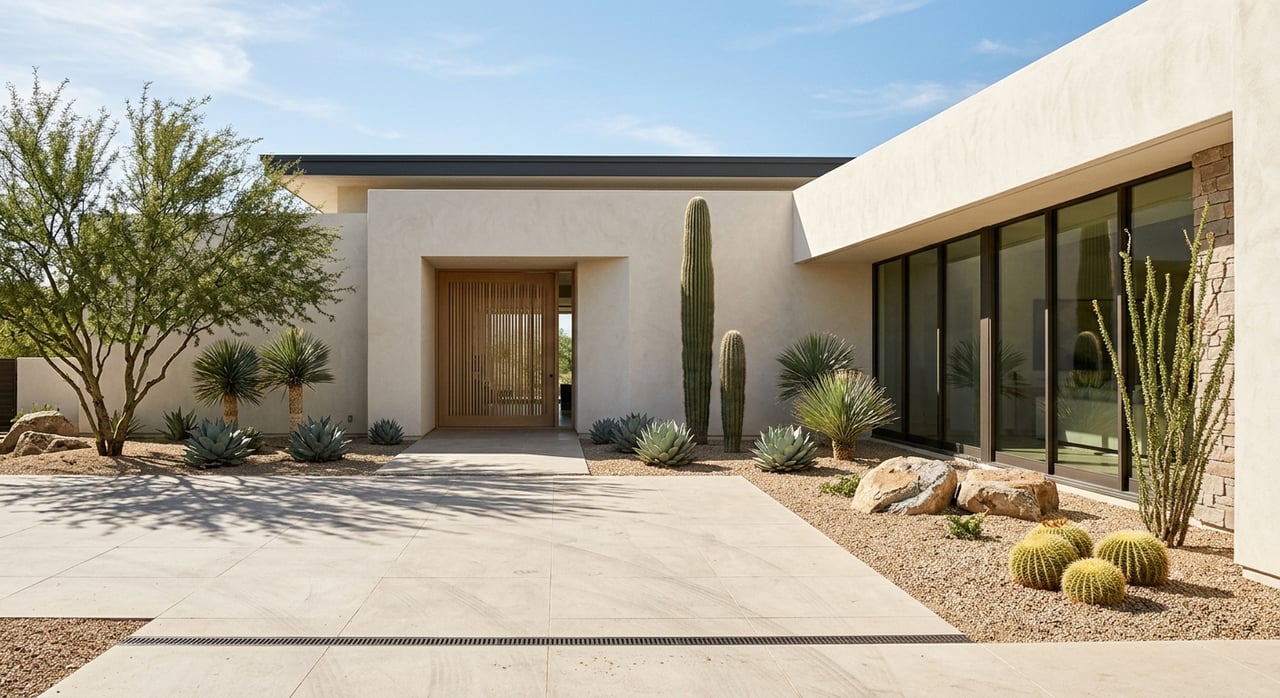
In Paradise Valley, outdoor living is not just an extra feature. It is often part of how buyers experience the home’s best attributes. The town’s planning framework calls for development that responds to the Sonoran Desert climate, with shaded and native landscaping, heat-island mitigation, and visually open streetscapes.
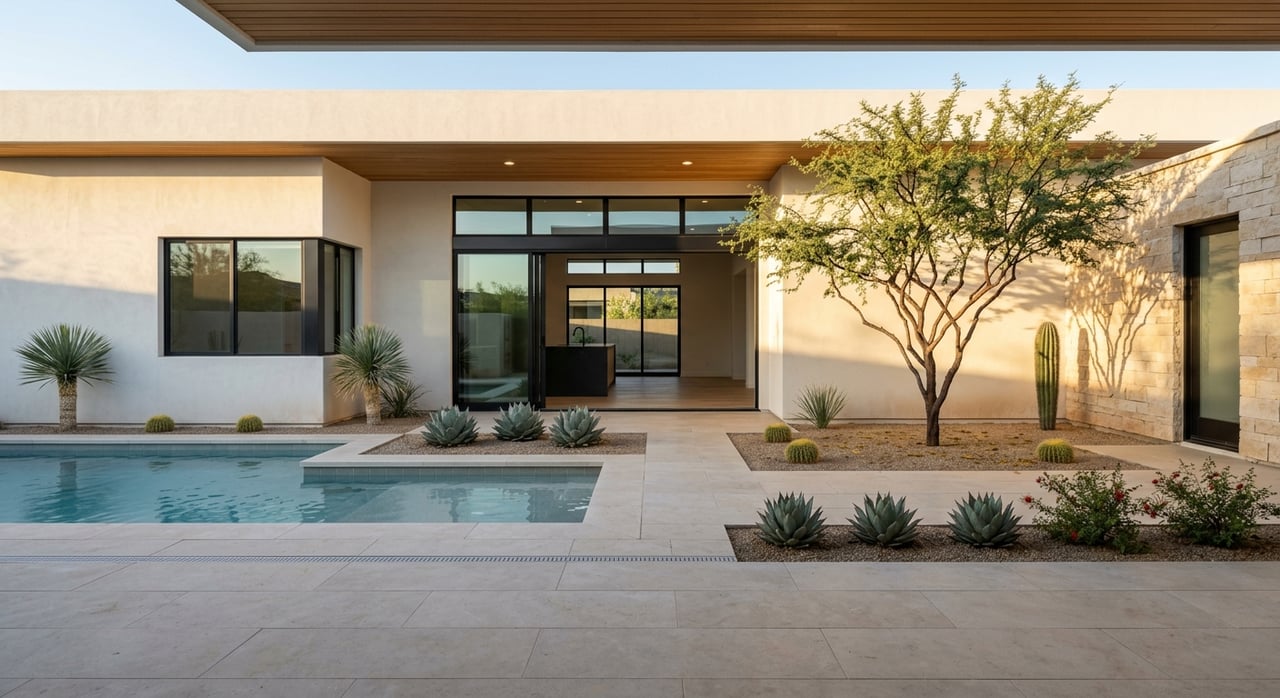
That local design logic aligns closely with how view homes perform in the market. Covered patios, pool terraces, courtyards, and entertaining areas that face the mountains can turn a good view into a daily lifestyle feature. In many cases, buyers are valuing not only what they can see, but where and how they enjoy it.
A mountain view from inside the house is valuable. A mountain view that also anchors dinner on the patio, morning coffee by the pool, and evening entertaining tends to be even more powerful.
A common pricing trap is assuming that a strong view can fully make up for dated interiors. In reality, appraisal practice separates view from quality of construction, condition, design, and functional utility. In other words, the market can reward the view and still discount the home if the interior finish level does not match the price point.
That is especially true in Paradise Valley’s luxury segment. Buyers typically expect the materials, presentation, and overall feel of the home to align with the setting and the asking price. A remarkable mountain outlook may create interest, but the interior still needs to support the value story.
For sellers, this means pricing should reflect the full package. The most defensible value usually comes from a combination of view quality, privacy, outdoor livability, and finish level rather than from any one feature in isolation.
If you are selling a mountain-view home in Paradise Valley, the strongest pricing strategy is not to pull random luxury comps and apply a simple premium. Instead, you want comparable sales that match as closely as possible on the factors that actually drive view value.
Look closely at these variables:
This kind of analysis matters because neighboring homes can have radically different value outcomes even when they appear similar on paper. In Paradise Valley, a property-specific adjustment is usually more credible than a blanket view premium.
If you are buying, it helps to think beyond the first impression. A mountain view may look impressive during a showing, but the key question is whether it will remain valuable over time. The town’s General Plan specifically notes the need to monitor and regulate impacts from lot development, redevelopment, and hillside changes that could affect views.
That makes durability a practical part of value. You may want to consider not just the current sightline, but also how surrounding parcels, grading limits, and local review standards could influence the view experience in the future.
For an analytical buyer, the best opportunity is often a home where the view is strong, the site relationship is favorable, and the rest of the property still leaves room for strategic improvement. For a seller, those same traits can become the backbone of a stronger pricing narrative.
In Paradise Valley, mountain-view home values are best understood as a layered premium, not a fixed one. The strongest value usually comes from a broad and durable mountain outlook, experienced from the rooms and outdoor spaces you use most, paired with privacy that does not sacrifice openness and finishes that fit the luxury market.
That is why careful pricing and property analysis matter so much here. In a high-value market, the difference between a good view and a truly marketable one can be substantial, and understanding that difference can help you make a smarter move.
If you want a clear, property-specific read on how mountain views may influence a home’s value in Paradise Valley, Rami Haddad brings a calm, analytical approach shaped by luxury market experience in Paradise Valley, Scottsdale, and Phoenix.
Stay up to date on the latest real estate trends.
From pricing and marketing to negotiation and closing, Rami delivers a customized plan designed to maximize results and minimize stress.