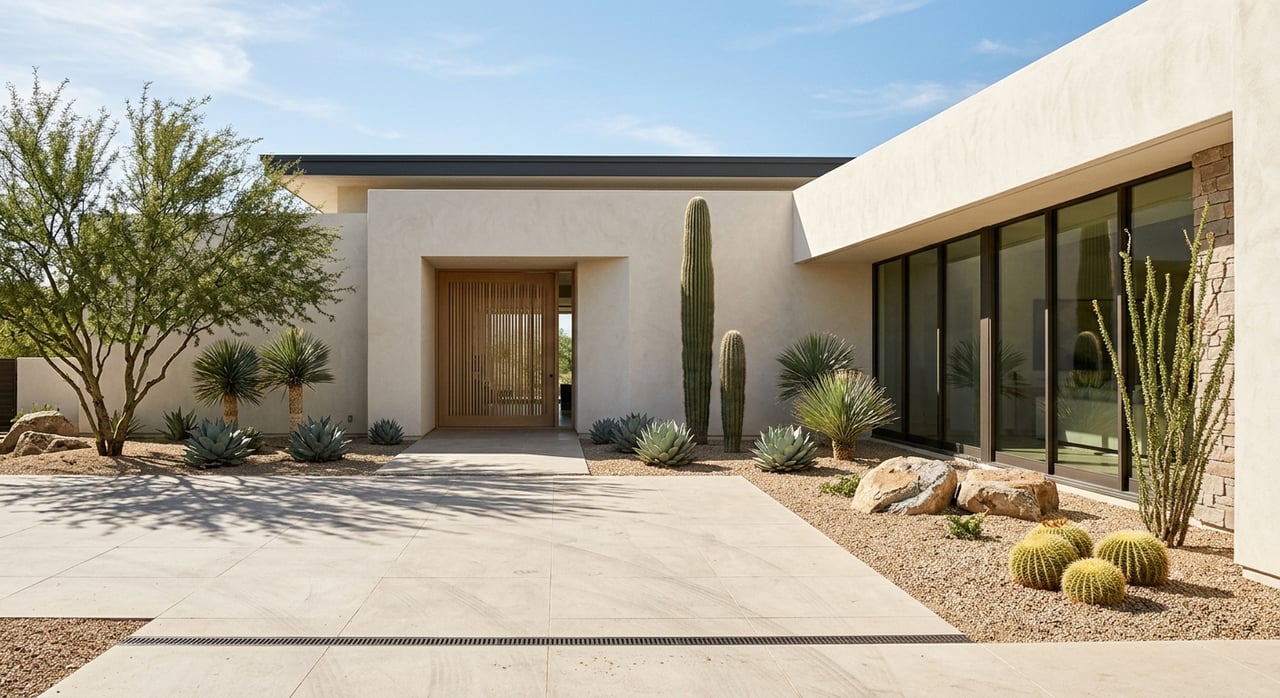
Paradise Valley Living And Lifestyle For Luxury Homebuyers
April 23, 2026
April 23, 2026
If you are searching for a luxury home that feels private, polished, and connected to the best of the Scottsdale-Phoenix area, Paradise Valley deserves a close look. Many buyers want more than a beautiful house. You may also want space, calm surroundings, strong long-term appeal, and easy access to resorts, golf, hiking, and daily essentials. This guide will help you understand what everyday life in Paradise Valley actually feels like, who it fits best, and how it compares with other luxury desert communities. Let’s dive in.
Paradise Valley is a small desert town of about 12,700 residents spread across 15.4 square miles, according to the Town of Paradise Valley basic facts. The town describes itself as a quiet desert oasis in the Scottsdale-Phoenix area, framed by Camelback Mountain, the Phoenix Mountain Preserve, and the McDowell Mountains.
That setting shapes the lifestyle in a real way. Instead of a dense urban feel, you get a more open and residential environment where mountain views, larger lots, and desert scenery are part of daily life.
Paradise Valley appeals to buyers who want a home environment that feels low-key and highly residential. The town’s 2022 General Plan says it is intended to remain a primarily one-acre residential community, with low-density residential land uses dominating the map.
In practical terms, that means many buyers are drawn here for privacy, breathing room, and a quieter rhythm. It is not built around a traditional commercial core, and that helps preserve the estate-style character many luxury buyers want.
The numbers support that profile. Census QuickFacts for Paradise Valley shows 95.0% owner-occupied housing and a median owner-occupied home value of $2,000,000+, which points to a highly established ownership base and a top-tier luxury price point.
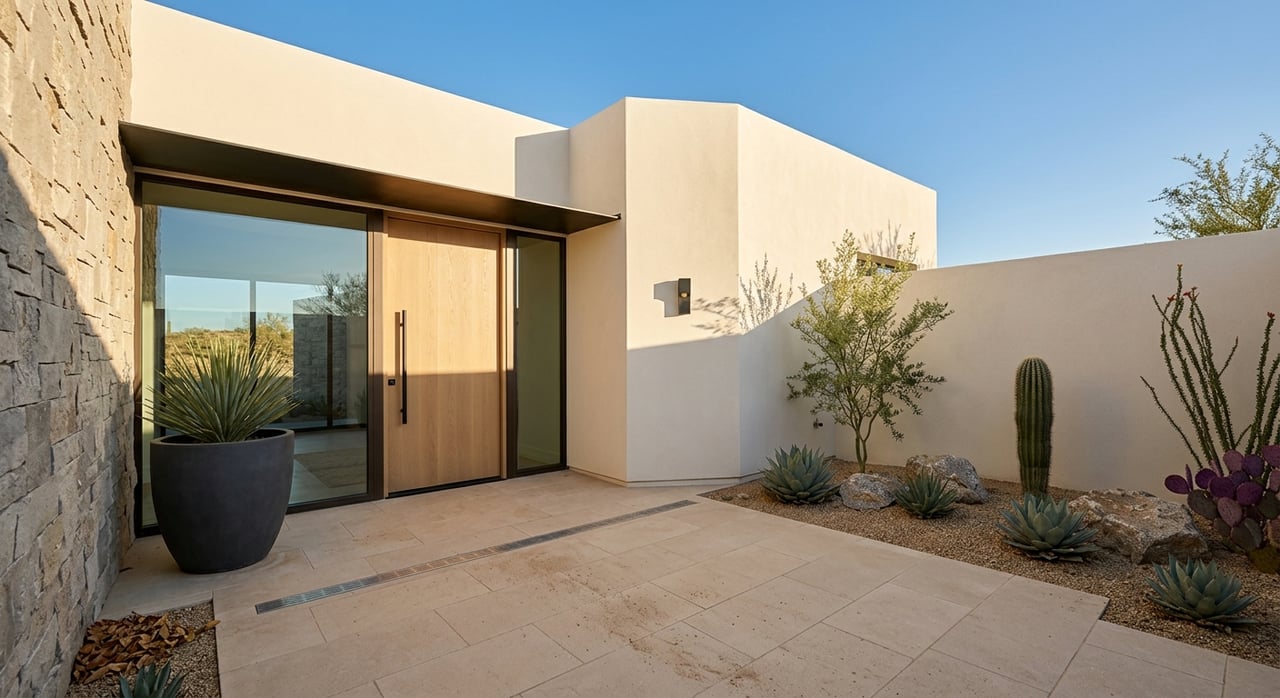
Paradise Valley is often a strong match if you want your home to be the center of your lifestyle. Buyers who value privacy, larger homesites, mountain views, outdoor living, and a calm residential setting tend to see the most appeal here.
You may be a good fit for Paradise Valley if you are looking for:
For analytical buyers, the town’s high owner-occupancy and limited room for expansion can also matter. The General Plan notes that Paradise Valley is landlocked, has limited undeveloped land, and is approaching build-out, so future change is expected to come mostly through infill, remodeling, and redevelopment.
One of the most important lifestyle features in Paradise Valley is how residential it feels. More than 75% of the planning area is single-family residential, while open space also holds a meaningful share of land use, based on the town’s General Plan document.
That matters if you want your surroundings to feel peaceful rather than busy. Paradise Valley also emphasizes neighborhood calm through its residential rental regulations, which are designed to protect quiet enjoyment and reduce impacts on neighbors.
For many luxury buyers, this is a major part of the value. The appeal is not only the house itself, but also the consistency of the town’s character and the sense that the residential atmosphere is being protected.
A common misconception is that Paradise Valley is only large homes on large lots. In reality, the town includes a useful mix of amenities within its borders.
According to the town’s official facts page, Paradise Valley is home to 9 resorts, 14 places of worship, 11 public and private schools, 3 golf courses, and 4 medical centers. That gives you a level of daily convenience that can feel surprising for such a quiet and residential community.
The resort presence is especially important to the lifestyle story. The town’s resort and spa guide highlights well-known properties such as Camelback Inn, Hermosa Inn, Mountain Shadows, Omni Scottsdale Resort & Spa at Montelucia, and Sanctuary Camelback Mountain.
If golf is part of your routine, the same town resource points to Camelback Golf Club, Mountain Shadows Golf Club, and Paradise Valley Country Club. These amenities help create a resort-adjacent feel without turning the town into a dense entertainment district.
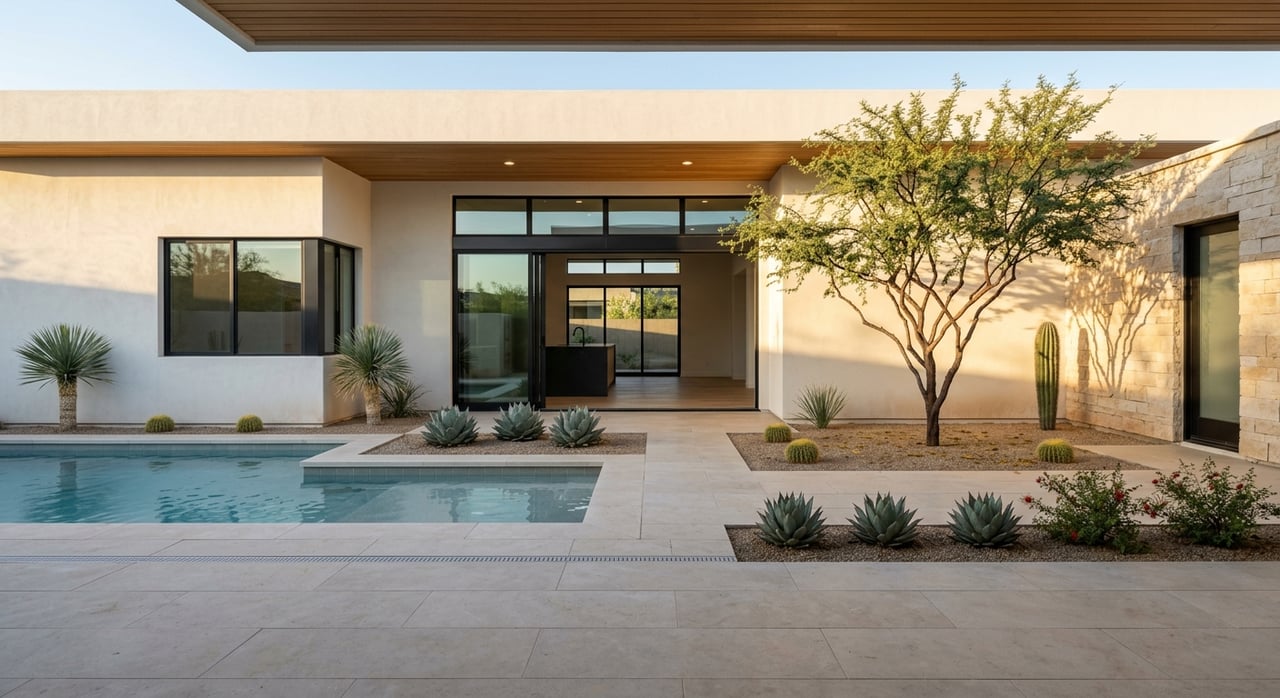
Outdoor living is a major part of the Paradise Valley lifestyle. The town’s visiting page says the area enjoys an average of 294 days of sunshine each year and is surrounded by major natural landmarks.
That level of sunshine supports the kind of features luxury buyers often prioritize, such as pools, covered patios, courtyards, view decks, and indoor-outdoor entertaining spaces. It also makes the natural setting more usable throughout the year.
Camelback Mountain is one of the area’s signature outdoor landmarks. The City of Phoenix Camelback Mountain page notes that it is one of the nation’s top hiking destinations, which speaks to the visibility and appeal of nearby recreation.
The landscape story goes beyond recreation alone. The Paradise Valley Mountain Preserve Trust exists to preserve natural landscape, desert plants, wildlife, and scenic beauty, reinforcing the town’s long-term connection to open space and desert character.
Paradise Valley manages to feel secluded while still offering practical access to the surrounding metro area. Census QuickFacts reports a mean travel time to work of 20.7 minutes.
That is a useful data point if you want a home that feels tucked away but not isolated. The town’s planning framework also places many resort, medical-office, and quasi-public uses along edges such as Lincoln Drive and Tatum Boulevard rather than throughout the residential interior.
For you as a buyer, that often translates into a nice balance. You can enjoy a more peaceful home environment while still reaching services, dining, and nearby Scottsdale destinations without a long daily haul.
Luxury buyers often compare Paradise Valley with Scottsdale, Cave Creek, and Fountain Hills. Each market offers a different lifestyle, and the differences matter.
Paradise Valley is much smaller and less dense than Scottsdale. Town and census data show Paradise Valley at about 12,700 residents and roughly 823 people per square mile, compared with Scottsdale at 246,170 residents and 1,311.7 people per square mile.
Home values also separate the two. Scottsdale’s median home value is $789,800, while Paradise Valley’s census-reported median owner-occupied value is $2,000,000+, placing Paradise Valley at a more exclusive and more residential end of the local luxury spectrum.
If you want more activity, more urban variety, and a broader range of housing, Scottsdale may offer more options. If you want a quieter, privacy-driven luxury environment, Paradise Valley often stands apart.
Fountain Hills and Cave Creek both attract buyers who want desert scenery and a distinct sense of place. Still, census figures place Paradise Valley in a different value tier.
Fountain Hills QuickFacts reports a median owner-occupied value of $622,900, while Cave Creek reports $906,100. Both are well below Paradise Valley’s $2,000,000+ level.
That does not make one community better than another. It simply means Paradise Valley is more clearly positioned as a top-tier, privacy-oriented luxury market with a strong estate-home identity.
This is an important question for luxury buyers, especially if you are thinking about future value, redevelopment potential, or custom-home opportunities. The short answer is that Paradise Valley is largely built out.
The town’s General Plan makes this clear. Because Paradise Valley is landlocked and has limited undeveloped land, future changes are expected to come mostly through infill, remodeling, and redevelopment rather than large-scale new expansion.
That can be appealing if you value scarcity and a stable community pattern. It also means buyers interested in tear-down opportunities, major renovations, or select new construction may want guidance that combines lifestyle insight with strong market analysis.
Paradise Valley is not for everyone, and that is part of its appeal. If you want constant walkable retail, a busier street scene, or a wide range of condo and townhome options, another market may fit better.
But if you are looking for a refined desert setting where luxury homes, privacy, outdoor living, and resort access come together, Paradise Valley offers a very specific value proposition. It is best understood as a residential luxury enclave with long-term appeal tied to land constraints, low density, and a highly established ownership base.
If you are considering a move to Paradise Valley, working with an advisor who can help you evaluate both lifestyle fit and property fundamentals can make the process much clearer. For tailored guidance on Paradise Valley, Scottsdale, and Phoenix luxury real estate, connect with Rami Haddad.
Stay up to date on the latest real estate trends.
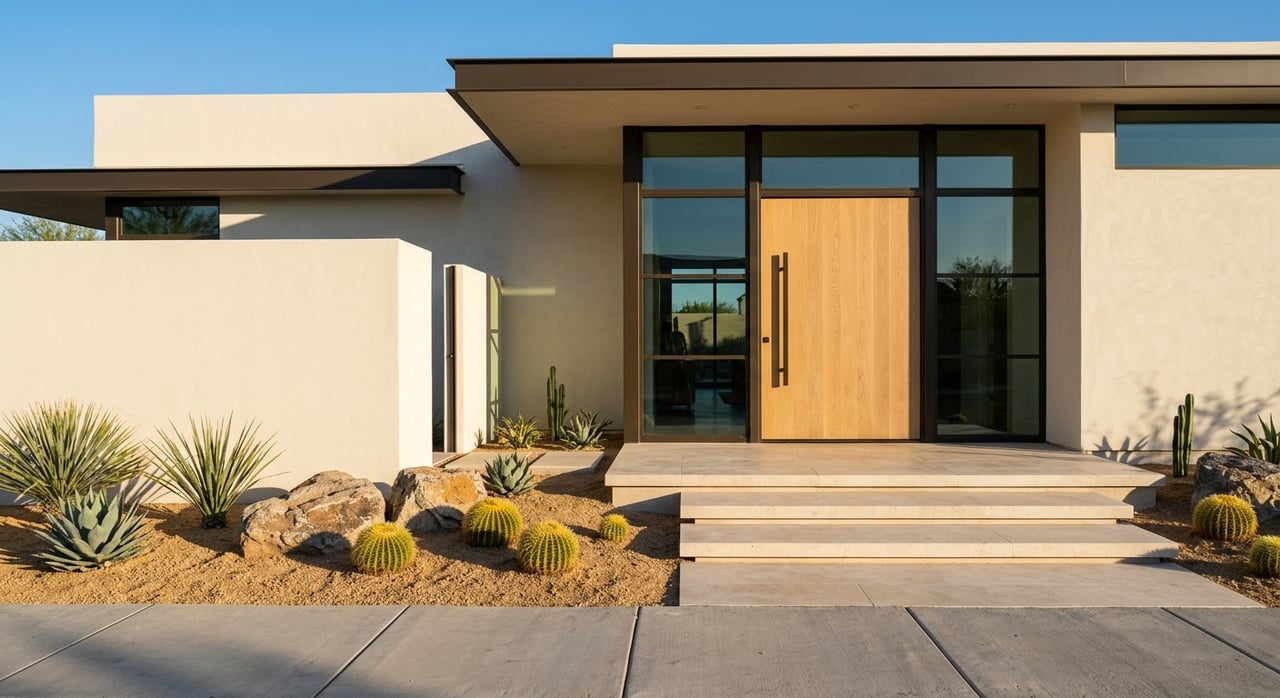
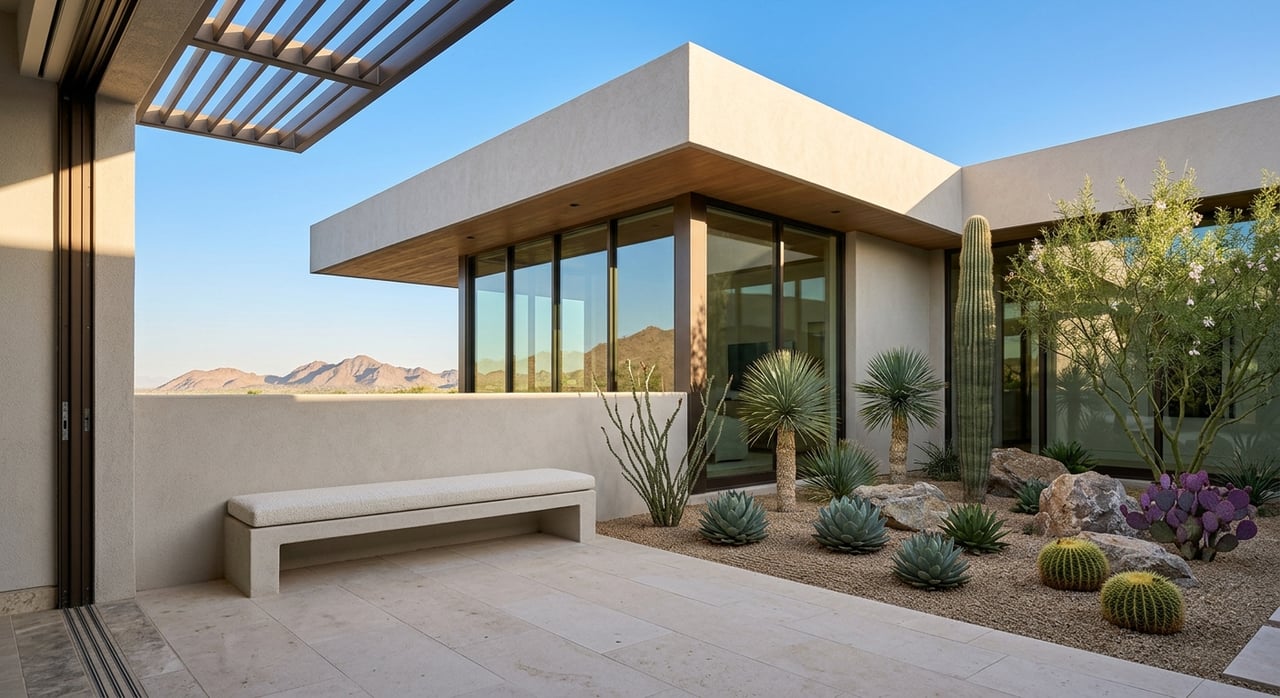
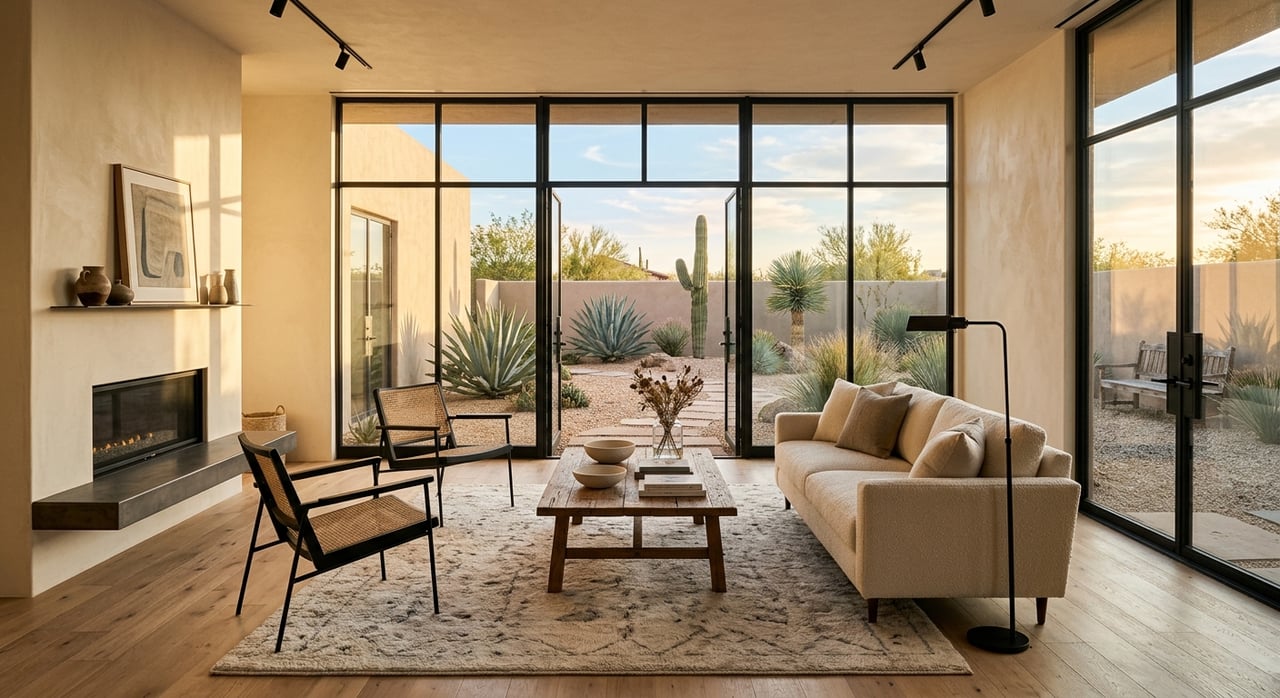
From pricing and marketing to negotiation and closing, Rami delivers a customized plan designed to maximize results and minimize stress.