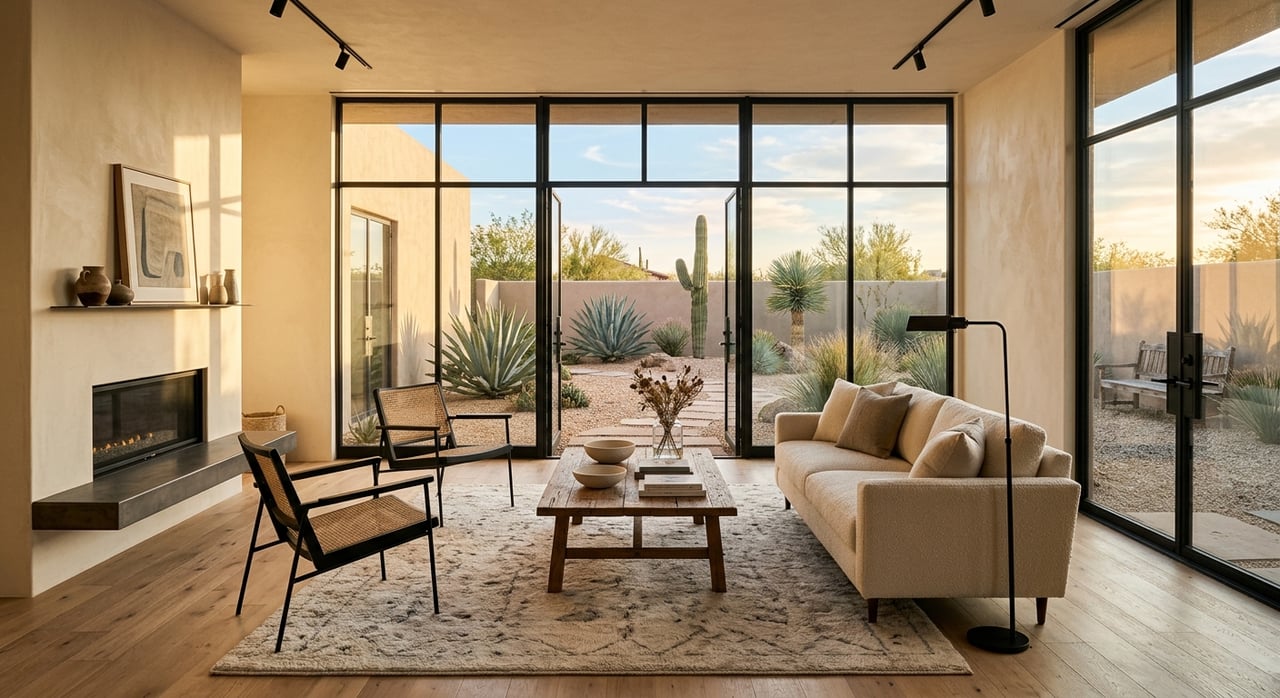
Preparing A Paradise Valley Estate For The Market
May 7, 2026
May 7, 2026
Getting a Paradise Valley estate ready for market is rarely a quick paint-and-list job. In a town defined by custom homes, large lots, and careful zoning standards, buyers notice the full property experience from the front approach to the outdoor living spaces. If you want a polished launch with fewer surprises, it helps to plan your prep in the right order. Let’s dive in.
Paradise Valley is not a typical suburban listing environment. The Town says it is primarily zoned for single-family residential use, with most of the town in R-43 zoning that requires a minimum one-acre lot size and one home per lot.
That matters because buyers here are often comparing estate properties, not interchangeable homes. They tend to evaluate privacy, arrival, landscaping, outdoor rooms, and the overall sense of finish before they focus on smaller details.
Current market data also supports a disciplined approach. As of March 2026, Redfin reported a median sale price of $4,797,500 and 87 median days on market, while Realtor.com reported a median listing price of $4,992,500, 75 median days on market, and homes selling at about 95% of asking on average.
The exact numbers differ by source, but the takeaway is consistent. In Paradise Valley, presentation and pricing discipline matter, and a polished day-one launch can make a real difference.
If you are thinking about exterior improvements, start with compliance before cosmetics. Paradise Valley notes that its building and zoning rules may be more restrictive than nearby communities, which means estate prep can require more lead time than many sellers expect.
The Town requires electronic permit applications, and its permit system covers a wide range of work. That includes fixed structures over 8 inches attached to the ground, such as a residence, guest house, ramada, fountain, or sport court.
There are also separate permit pathways for pool and spa work, fence and site walls, plumbing, mechanical, electrical, demolition, and banners. In other words, a project that feels simple at first can become more formal once it affects the site or involves attached features.
A helpful rule of thumb is this: if the work changes the site or adds something fixed to the ground, confirm requirements before you begin. The Town states that all construction-related activity requires a building permit.
For hillside lots, the review process can be even more detailed. The Hillside Building Committee reviews land disturbance, heights, lighting, building materials, grading and drainage, as well as new homes, remodels, additions, solar panels, accessory structures, and new pools.
That does not mean every project is impossible. It simply means timing, documentation, and sequencing matter more in Paradise Valley than in many other markets.
Some estate updates create added documentation requirements. Depending on the scope, a project may need dust control planning, grading and drainage documentation, native plant preservation plans, or demolition permits for larger removals.
The Town’s permit materials also note that Maricopa County dust control permits are required for larger disturbed areas. If you are deciding between a cosmetic refresh and a more involved exterior project, this is often where the timeline becomes clearer.
If you are occupying the home during prep, logistics matter. The Town says approved plans and permits must be kept on site, and construction hours are restricted, with heavy equipment not allowed on weekends and holidays.
That can affect everything from repair scheduling to your listing launch date. If the goal is a calm, high-end presentation, it often makes sense to avoid overlapping active construction with photography and showings.
Once you have handled any permit questions, turn to the areas that shape first impressions indoors. National Association of Realtors research shows that staging is more about decluttering and presentation than major remodeling.
In its 2025 staging report, 83% of buyers’ agents said staging made it easier for buyers to visualize a property as their future home. On the seller side, 29% of sellers’ agents said staging led to a 1% to 10% increase in the dollar value offered, and 49% said it reduced time on market.
For a Paradise Valley estate, that supports a simple strategy. Put your time and budget into spaces that influence perception quickly and clearly.
The same research highlights the most important staging targets:
These spaces often carry the emotional weight of the home. In an estate setting, buyers are usually looking for scale, flow, light, and a sense that the home is move-in ready.
The most common improvement recommendations from agents were straightforward. Declutter, clean the entire home, and improve curb appeal.
NAR’s consumer guidance also recommends packing away personal items, using neutral paint where needed, removing bulky furniture, keeping closets about half full, and making the home spotless. In Paradise Valley, this usually translates into cleaner sightlines, better circulation, and less visual noise across larger rooms.
You do not need to erase the home’s personality. You want buyers to experience the architecture, proportions, and natural light without distractions.
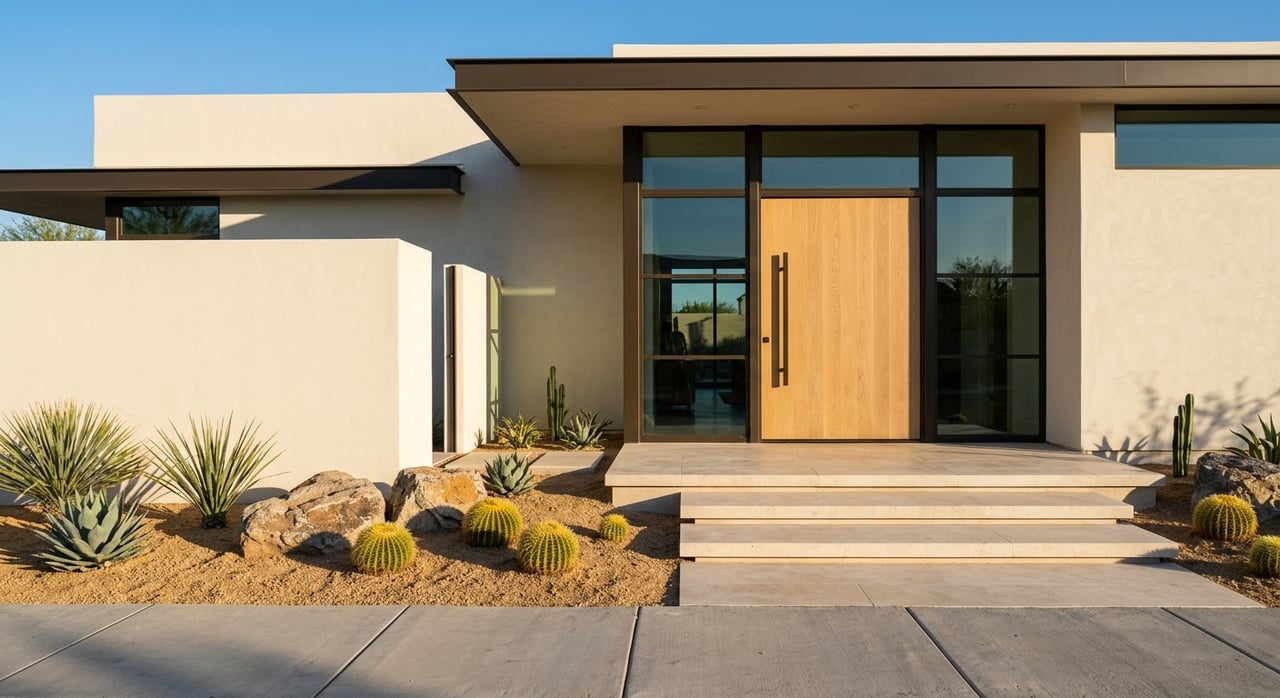
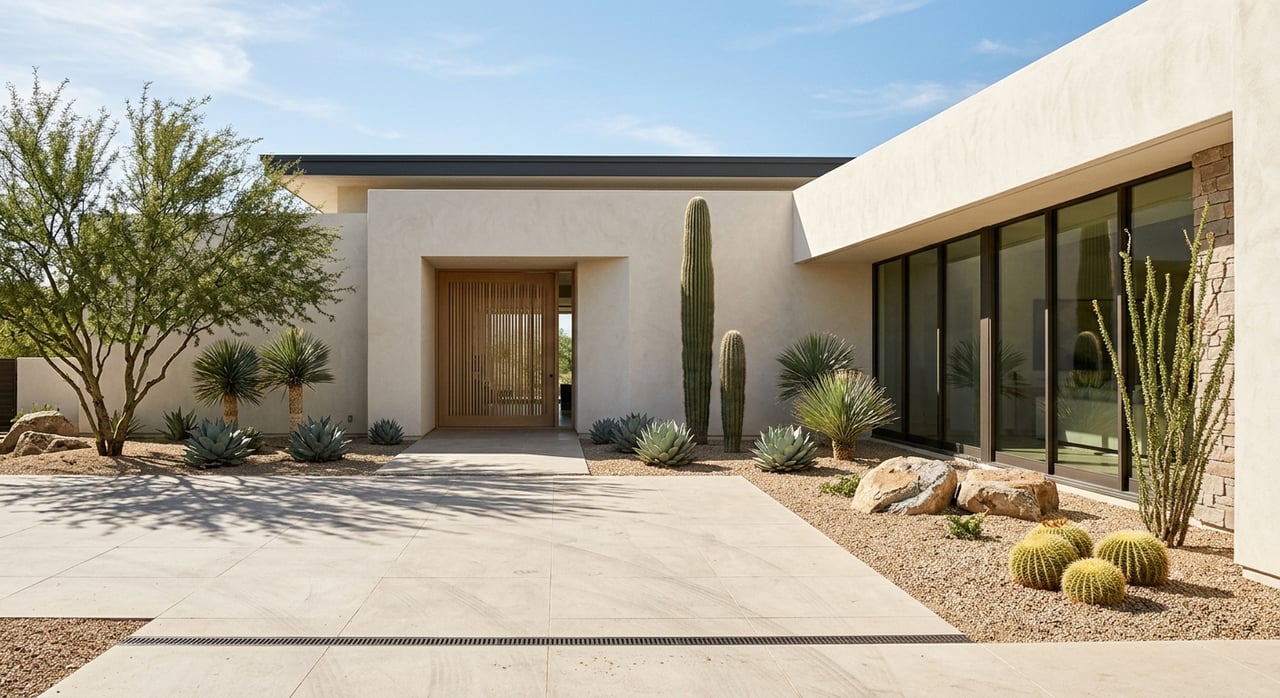
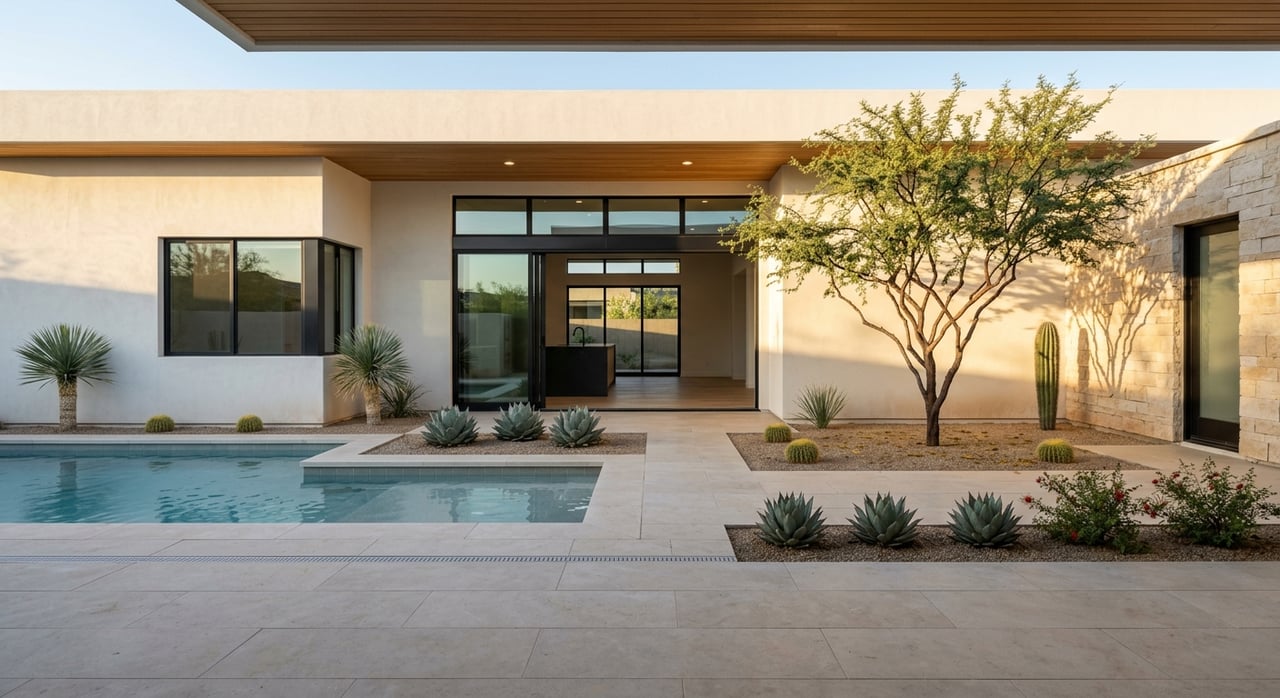
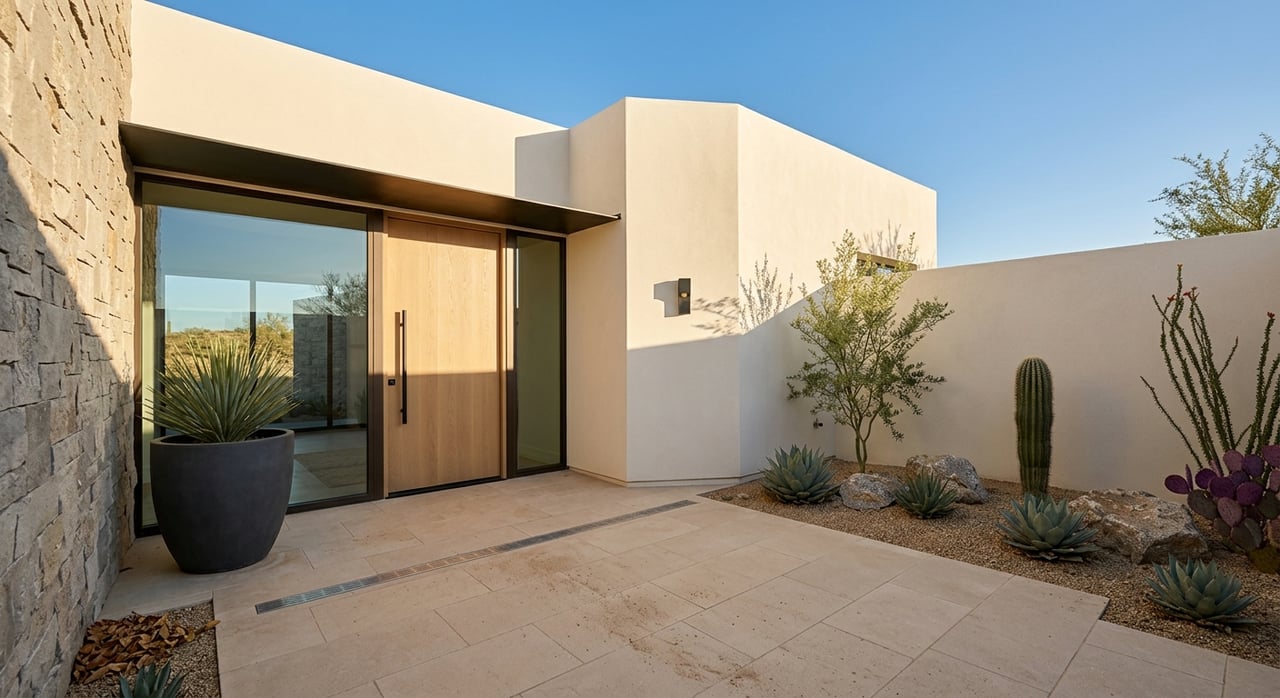
In Paradise Valley, exterior presentation is not an afterthought. On large lots with custom homes, landscaping, pool areas, patios, and approach drives often shape value perception before a buyer fully steps inside.
That is one reason sellers should treat outdoor areas as true presentation zones. A neglected patio, tired pool setting, or overgrown entry can weaken the impact of an otherwise strong home.
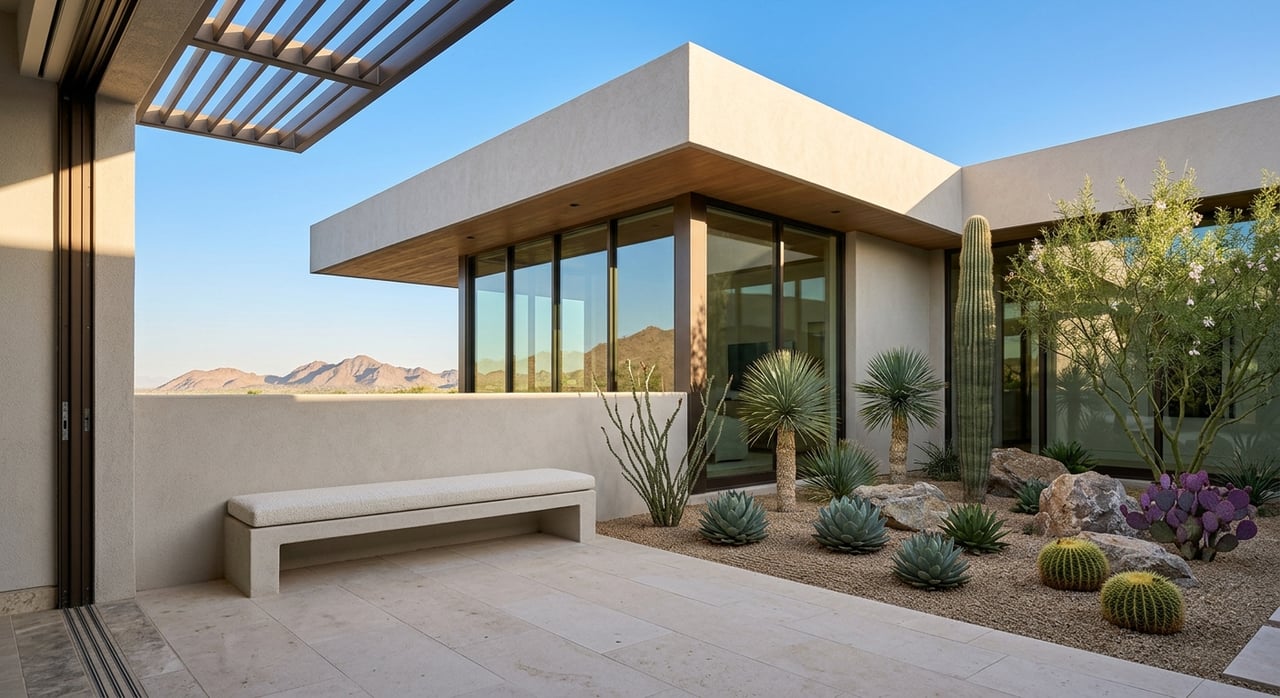
The Arizona Department of Water Resources says landscaping is the largest use of potable water in the state, and as much as 70% of residential water use happens outdoors. It defines xeriscaping as an environmentally friendly form of landscaping that uses indigenous and drought-tolerant plants, shrubs, and ground cover.
For sellers, that supports a clean, regionally appropriate landscape plan. Desert-adapted planting, orderly irrigation, and a maintained but not overgrown look can help the property feel current, intentional, and aligned with Arizona living.
ADWR also emphasizes plant selection, irrigation practices, and rainwater harvesting paired with native, low-water-use landscaping. Even if you are not redesigning the yard, basic cleanup and simplification can go a long way.
Outdoor improvements can carry both visual and regulatory implications. Paradise Valley’s hillside review process specifically addresses lighting, grading and drainage, and building materials.
That means visible exterior changes may be more sensitive than an owner expects. Before adjusting hardscape, adding structures, or making site-level changes, it is smart to confirm whether the work needs review.
Pools, spas, patios, and entertaining spaces are central features in many Paradise Valley estates. The Town’s permit materials include separate requirements for pool and spa work and reference items such as barriers, drainage, entrapment, and suction-safety materials.
If these areas are part of your home’s appeal, they should look intentional and ready for use. Clean surfaces, tidy furnishings, functioning features, and a polished visual line from the house to the outdoor spaces can strengthen the listing story.
In a luxury listing, media is not just documentation. It is often the first showing.
NAR reports that buyers’ agents rate listing photos, physical staging, videos, and virtual tours as important. That means your estate should be fully finished before any photography or media capture begins.
Avoid the temptation to shoot first and finish later. In a market where listings can sit for 75 to 87 days based on recent reporting, the first impression needs to feel complete.
Before media day, make sure you have handled the basics:
A home that feels calm and finished in photos usually feels stronger in person too.
Once your listing is live, showing strategy matters. The current Paradise Valley market suggests a measured selling window rather than an immediate sale cycle, so consistency is important.
A practical approach is to keep the home photo-ready, reduce last-minute disruptions, and group showings in blocks where possible. That helps preserve the property’s sense of order and gives buyers a better experience of the estate.
If you are planning a larger launch event, know that Paradise Valley requires a special event permit in situations involving valet parking, fireworks, liquor licenses, or tents. For some luxury sellers, that is an important detail to address early.
If you want a smoother path to market, follow a clear sequence:
This kind of roadmap helps reduce stress and keeps your prep budget focused on what buyers are most likely to notice.
A Paradise Valley estate does not need to feel overproduced. It needs to feel complete, intentional, and easy to understand from the first photo to the final showing.
If you are preparing to sell in Paradise Valley and want clear, financially informed guidance on timing, presentation, and market strategy, connect with Rami Haddad.
Stay up to date on the latest real estate trends.
From pricing and marketing to negotiation and closing, Rami delivers a customized plan designed to maximize results and minimize stress.