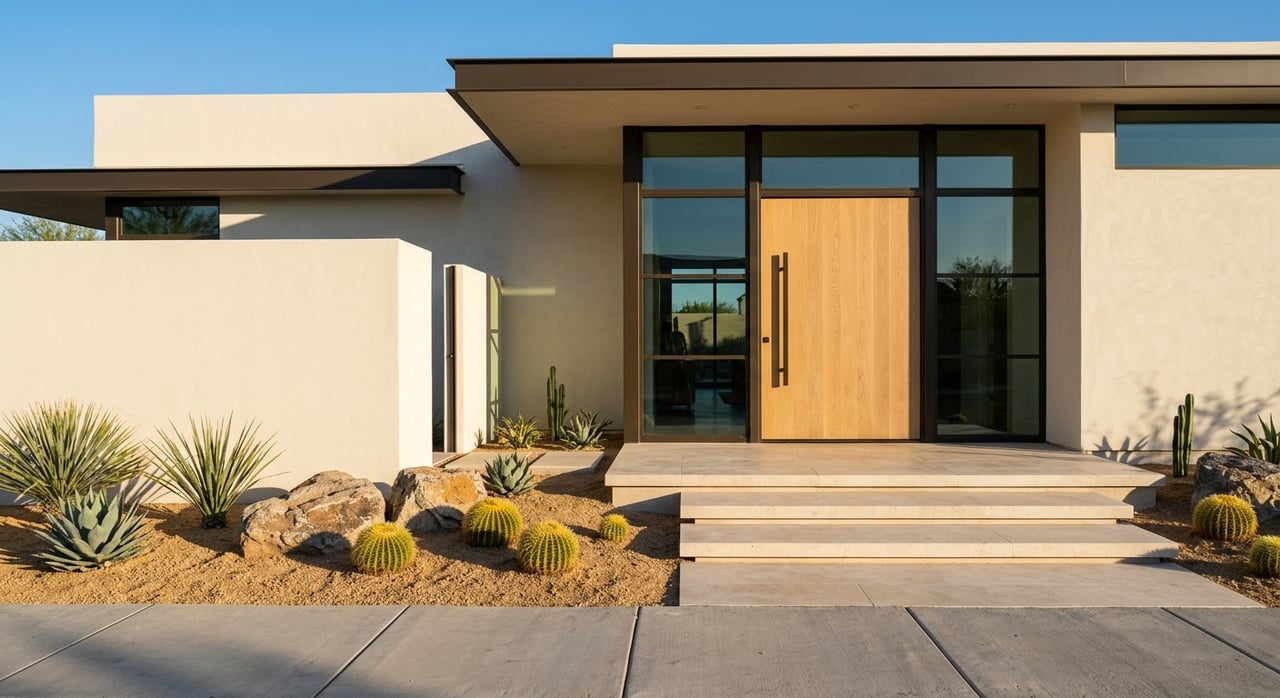
Experiencing The Phoenix Urban Desert Lifestyle
May 21, 2026
May 21, 2026
What if a big-city lifestyle and desert living did not compete with each other, but actually worked together? That is part of what makes Phoenix so distinctive. If you are considering a move, a new neighborhood, or simply trying to understand how daily life really feels here, this guide will show you how Phoenix blends heat, space, walkable pockets, arts, dining, and outdoor access into one very specific rhythm. Let’s dive in.
Phoenix feels like an urban desert city because the climate shapes everyday decisions. NOAA climate normals for Phoenix Sky Harbor show an average January high of 67.6°F and an average July high of 106.5°F, while Visit Phoenix describes winter as mild, with highs in the 60s and 70s and temperatures that rarely fall below freezing.
That weather pattern creates a daily routine that often starts early and ends late. Many residents plan outdoor exercise, dog walks, coffee runs, and errands in the morning or evening, then shift toward shaded or air-conditioned spaces in the hottest part of the day.
Rain is also part of the story, mostly because there is so little of it. Visit Phoenix notes that the city averages about nine inches of rain each year, which helps explain why monsoon storms and dust events stand out so much during summer.
In Phoenix, timing matters. A comfortable day here often depends less on the season alone and more on what time you head outside.
That is reflected in public outdoor access too. The city’s trail and preserve hours commonly begin at 5 a.m., and some areas can close or limit access during excessive heat warnings.
This does not mean outdoor life stops in summer. It means you get used to planning for it, whether that means sunrise hikes, shaded patios, pool time, or an indoor stop in the middle of the day.
Phoenix is a large city, and the walkable lifestyle is not evenly spread across every area. The City of Phoenix planning pages acknowledge that the region grew through an auto-oriented sprawl pattern, even as the city has built more transit-oriented districts designed to support walking, biking, and rail use.
If you want a more walkable or car-light routine, the best options are generally in the urban core and along light rail corridors. These areas offer a different feel from the broader metro, with more mixed-use development, nearby dining, and a more compact streetscape.
Roosevelt Row is one of the clearest examples of Phoenix’s urban side. Visit Phoenix describes it as a walkable arts district with galleries, restaurants, bars, boutique shops, and street art.
This part of downtown helps show that Phoenix is not only about spread-out neighborhoods and driving everywhere. In the right pocket, you can move between coffee, dinner, art, and events within a compact area.
Grand Avenue offers a more eclectic, industrial-feeling corridor with artists, public art, the Downtown Phoenix Farmers Market, and a strong event atmosphere. It feels creative and active, especially for people who like local businesses and a little texture in the streetscape.
Melrose, just north of downtown, has become a growing dining destination with locally owned shops, cafes, bars, and restaurants. It adds another layer to the Phoenix lifestyle by showing how central neighborhoods can feel connected but still distinct.
Phoenix has continued building a stronger transit-oriented layer around light rail. The city defines these districts as compact, mixed-use areas within a short walk of high-capacity transit, and it links them with higher pedestrian and bike activity.
A major milestone came in June 2025, when Phoenix opened the South Central Extension and Downtown Hub light rail project. The system now spans 35 miles across two lines, with weekday service every 12 minutes before 7 p.m., and the city says the extension added bike lanes, shade, and public art while improving connections to jobs, education, entertainment, and amenities.
Phoenix’s urban desert lifestyle is not just about mountains and sunshine. It is also about where you go after work, what weekends look like, and how neighborhoods create a sense of place.
The City of Phoenix says Roosevelt Row and Grand Avenue grew from artists’ studios into a larger ecosystem of restaurants, small businesses, and public events. It also traces First Friday art walks back to neighborhood activation in the 1990s, which helps explain why these districts still feel socially active today.
Recurring events help anchor that energy. The district includes the weekly Downtown Phoenix Farmers Market and the monthly First Fridays Art Walk, both of which give the urban core a steady calendar of activity.
Phoenix also has a wide arts and culture network beyond a few popular blocks. The city highlights places and organizations including Phoenix Center for the Arts, Arizona Opera Center, Shemer Art Center, Phoenix Art Museum, Ballet Arizona, and The Phoenix Theatre Company.
That variety matters if you are evaluating lifestyle, not just a map. It shows that Phoenix can feel culturally active and layered, especially in and around the central city.
Downtown food culture adds to that experience. City materials emphasize independent restaurants, bars, local food producers, and neighborhood food culture across downtown, Roosevelt Row, Grand Avenue, and Melrose.
For you, that can mean a more connected evening routine. Dinner, art, drinks, and public events can all happen within the same area, which is a very different experience from the more spread-out parts of the metro.
One of the strongest parts of living in Phoenix is how close outdoor recreation is to the city itself. The Phoenix Parks and Recreation Department says the city offers more than 41,000 acres of desert parks and mountain preserve land, more than 200 miles of trails, 187 parks, 33 community and recreation centers, eight golf courses, and 29 pools.
That mix is important because it broadens the definition of outdoor living. In Phoenix, being outside can mean a mountain trail, a neighborhood park, a canal path, or a public pool on a hot afternoon.
South Mountain Park and Preserve is one of the city’s signature outdoor areas. The city says it covers more than 16,000 acres and includes more than 100 miles of trails, with Dobbins Lookout at 2,330 feet as the highest publicly accessible point in the park.
This is the kind of place that makes Phoenix feel dramatic and open. You can be in the city and still have quick access to broad views, desert terrain, and a long list of trail options.
The Phoenix Mountains Preserve gives central Phoenix residents another strong outdoor option. Visit Phoenix says it sits in the heart of Central Phoenix and about 20 minutes from downtown, with hiking, biking, and views from areas such as Piestewa Peak and Camelback Mountain.
The city’s Piestewa and Dreamy Draw information adds that the area includes dozens of miles of multi-use trails, while the summit hike is strenuous, scenic, and exposed. That last detail is a good reminder that desert recreation here is rewarding, but it is not something to take lightly.
Papago Park offers a different kind of experience. The city and Visit Phoenix describe it as an accessible urban desert park with about 1,500 acres of trails, picnic areas, lagoons, Hole-in-the-Rock, the Desert Botanical Garden, and the Phoenix Zoo nearby.
For lower-intensity routines, Grand Canalscape adds a 12-mile off-street trail for walking, running, and biking. It is a useful example of how outdoor access in Phoenix is not limited to mountain hikes.
Summer in Phoenix is very hot, very bright, and highly scheduled. The weather does not usually stop people from enjoying the city, but it does change how they do it.
You may find yourself treating mornings and evenings as prime time, especially for exercise, dining outdoors, or meeting friends. Midday often becomes time for errands, indoor workouts, museums, restaurants, or simply staying somewhere cool.
Monsoon season adds another layer. Visit Phoenix notes that summer storms are often short and unpredictable, and dust storms, or haboobs, are also a regular feature of the season.
That mix gives Phoenix a lifestyle rhythm that feels practical as much as scenic. It is a city where the climate is always part of the plan.
The honest answer is yes, in some parts of Phoenix, but not everywhere. The city’s planning pages make clear that Phoenix remains broadly sprawl-oriented, even as it continues adding compact, transit-oriented districts.
If your goal is to drive less, the strongest choices are usually near downtown, along light rail, or in mixed-use corridors where daily needs are closer together. If your priority is space, privacy, or a more traditional neighborhood setting, your routine may still be more car-dependent.
That is why neighborhood fit matters so much in Phoenix. The lifestyle can vary significantly depending on whether you want an arts-focused urban setting, frequent trail access, transit convenience, or a quieter residential environment with easy access to the rest of the city.
Phoenix is not one single experience. It is a collection of very different daily patterns shaped by heat, distance, design, and access to the things you care about most.
If you are buying, selling, or simply exploring your options, it helps to look beyond square footage and price alone. The right fit often comes down to how you want your days to feel, whether that means walkable dining, proximity to trails, easier light rail access, or a home base that balances privacy with city convenience.
That kind of lifestyle analysis is especially important in a market as varied as Phoenix. When your home choice supports how you actually live, the decision tends to feel clearer and more confident.
If you want help thinking through which Phoenix areas align with your lifestyle and real estate goals, Rami Haddad offers a personalized, analytical approach grounded in local market insight.
Stay up to date on the latest real estate trends.
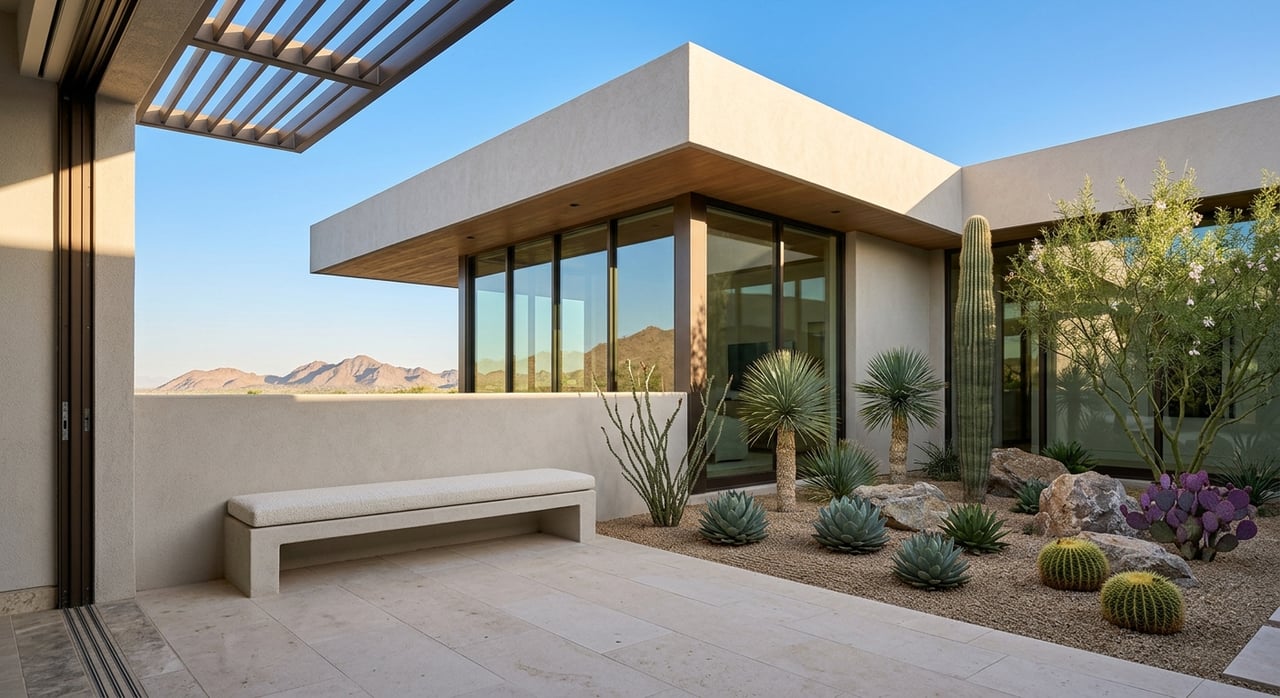
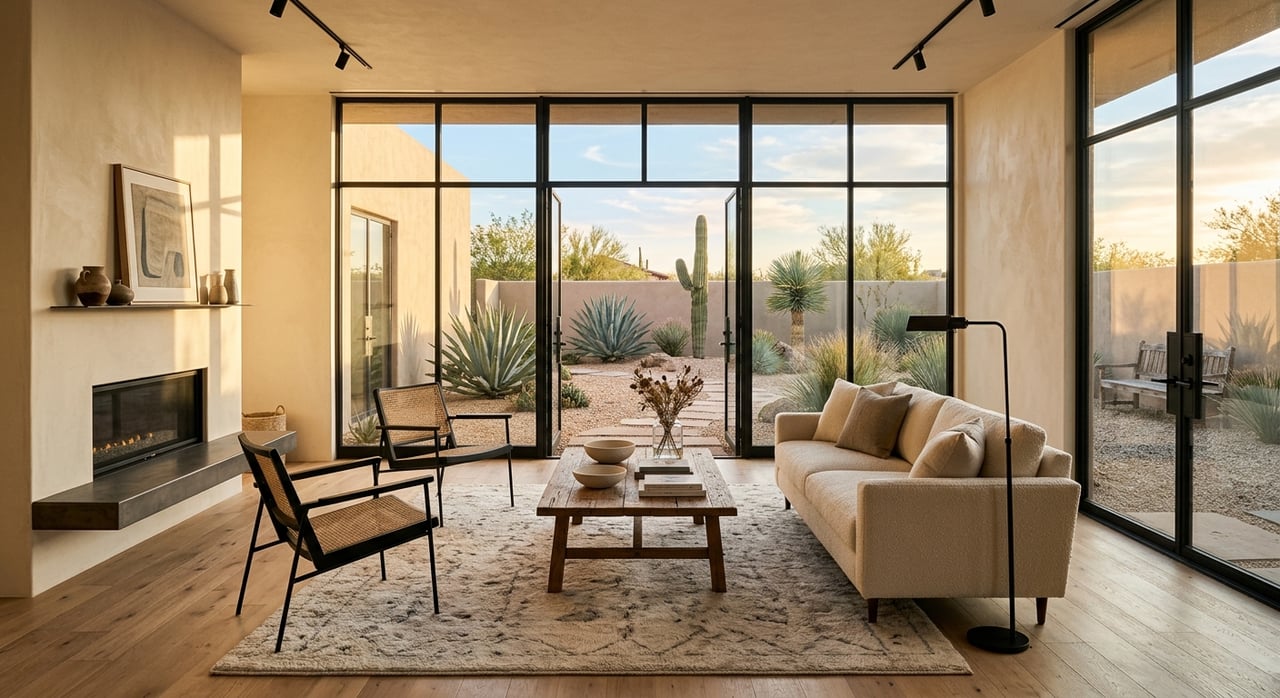
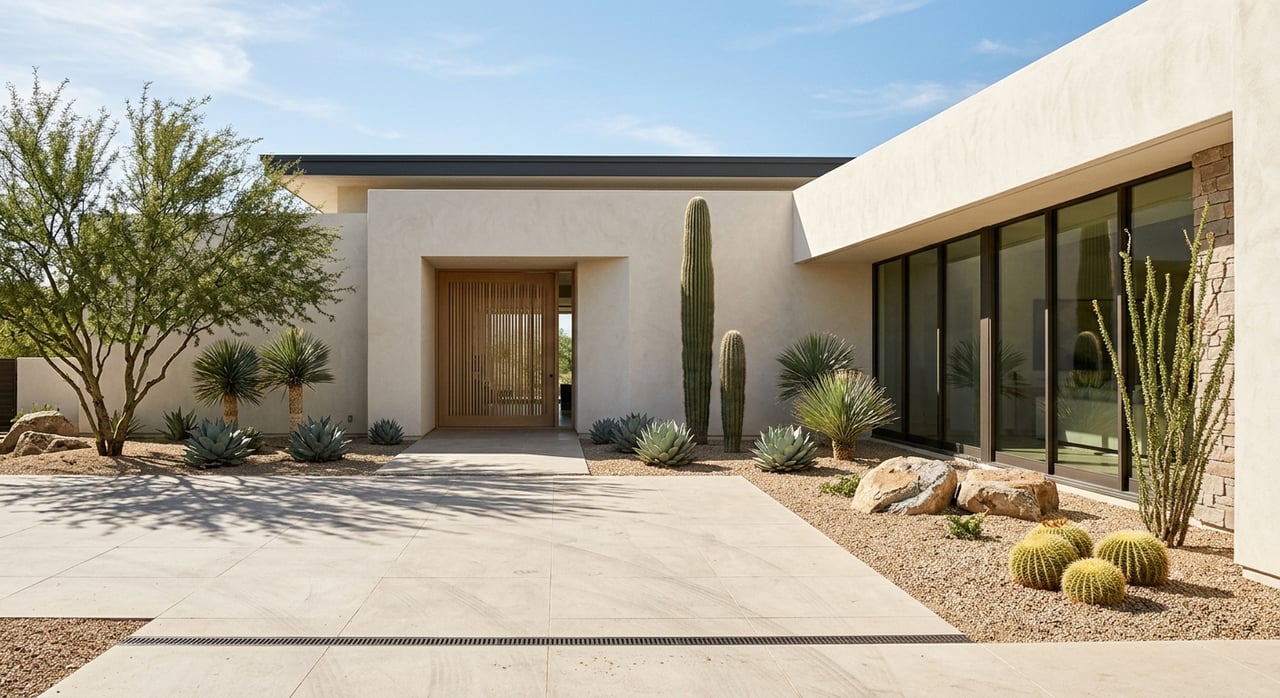
From pricing and marketing to negotiation and closing, Rami delivers a customized plan designed to maximize results and minimize stress.