
Key Considerations When Relocating To Phoenix
May 28, 2026
May 28, 2026
Moving to Phoenix can be exciting, but it also comes with a learning curve. If you are relocating from a cooler or smaller city, daily life here may feel very different at first, from the summer heat to the way commute patterns shape where you want to live. The good news is that with the right plan, you can narrow your options faster and make a smarter move with fewer surprises. Let’s dive in.
Phoenix is not just warm. It is consistently hot for a long stretch of the year, with long-term normals at Sky Harbor showing an average daily maximum temperature of 87.1°F and annual precipitation of 7.22 inches. Summer is especially intense, with average daily highs of 104.2°F in June, 106.5°F in July, and 105.1°F in August.
If you are relocating, this affects more than your wardrobe. It can shape how you tour homes, how often you use outdoor space, and which home features will matter most once you live here full time.
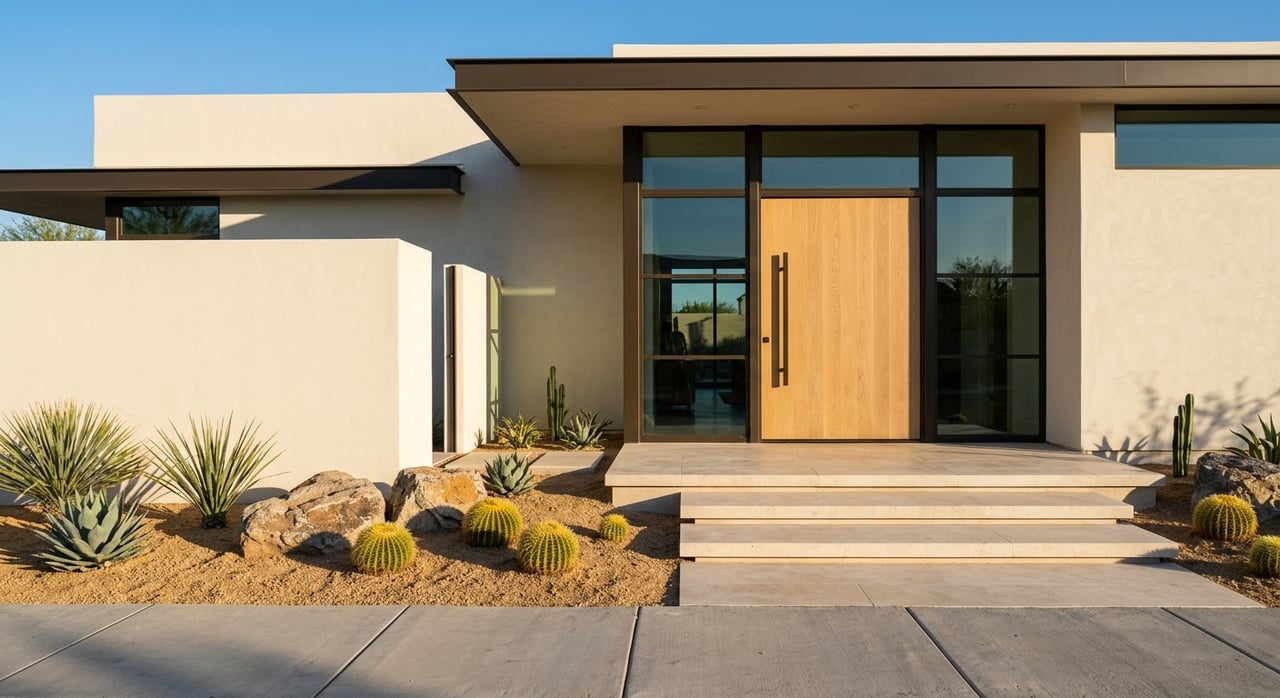
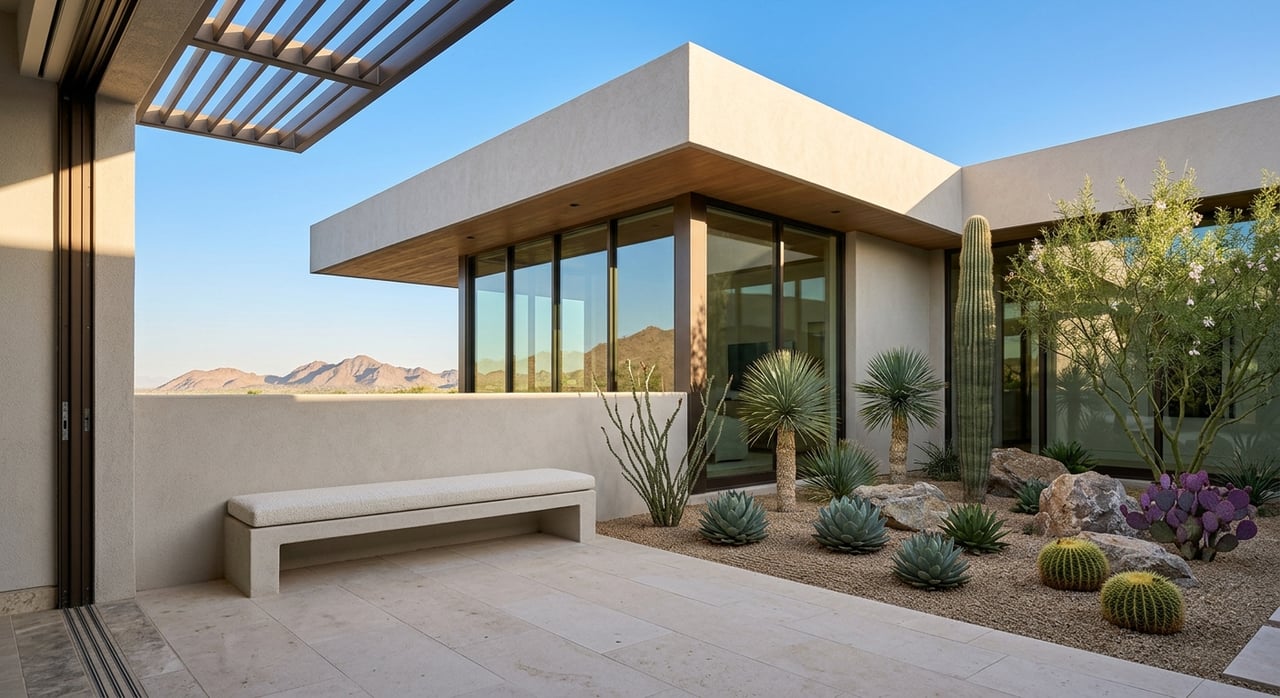
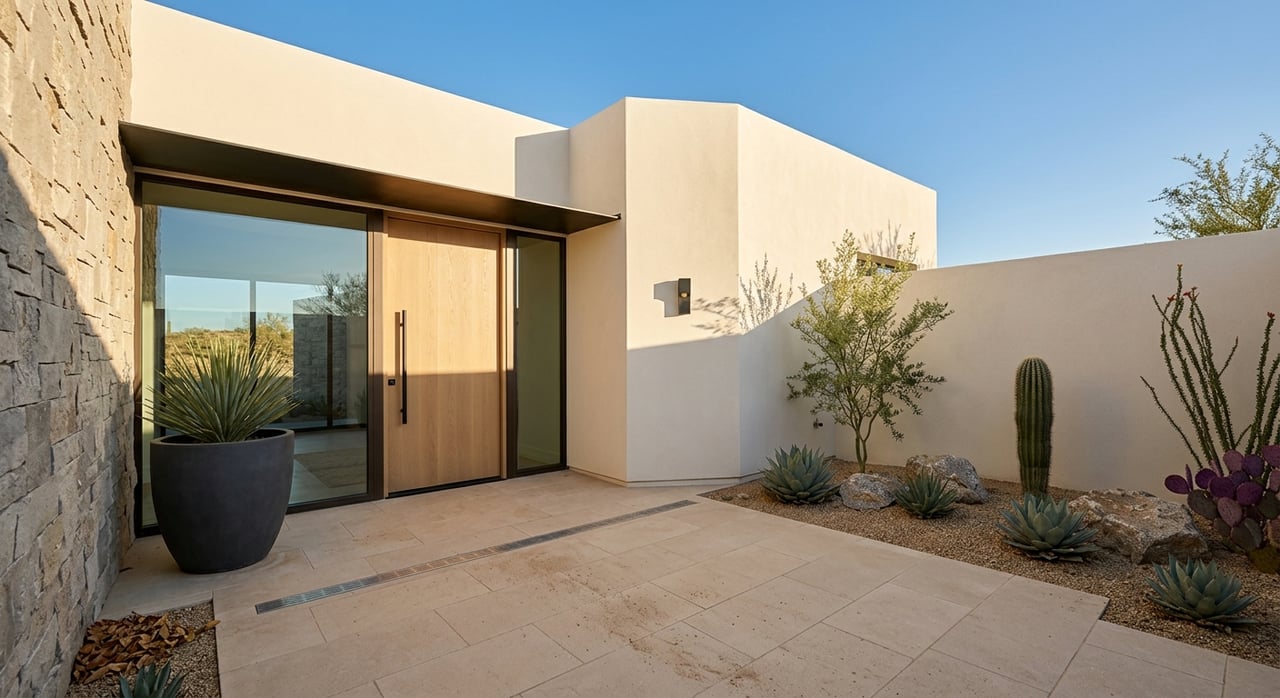
In Phoenix, it helps to look closely at how a home handles sun and shade. Window orientation, covered patios, exterior shade, and overall heat management can make a big difference in day-to-day comfort.
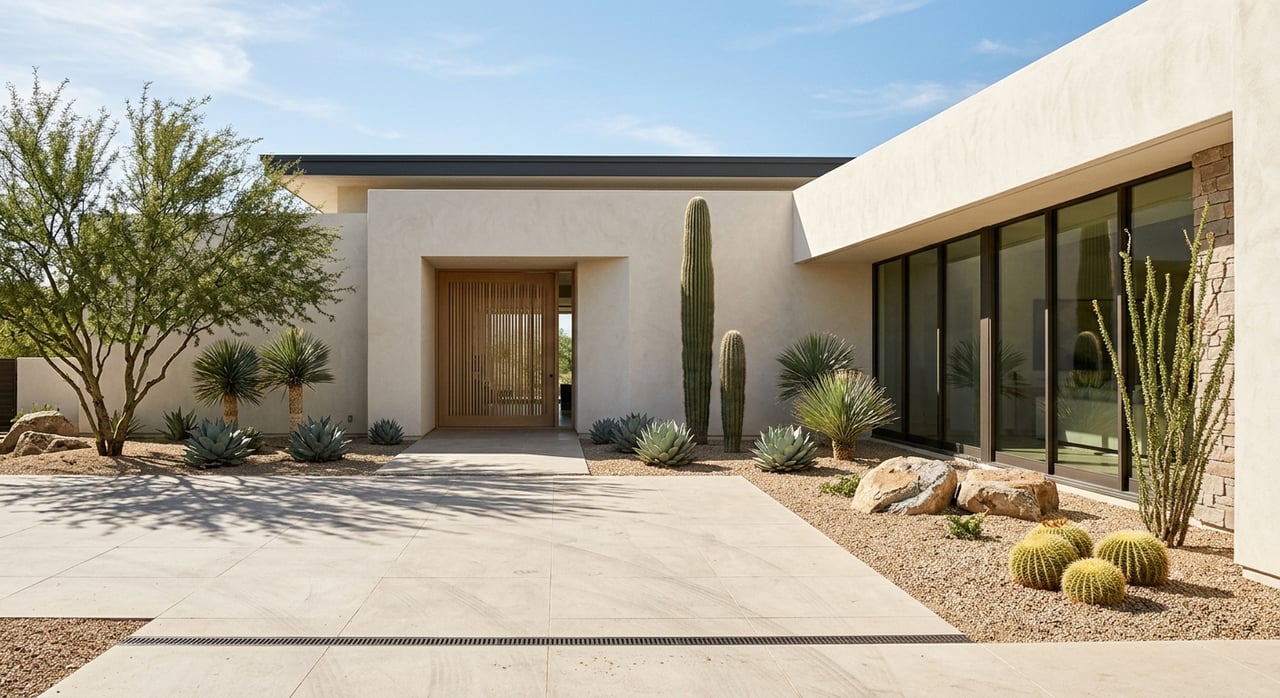
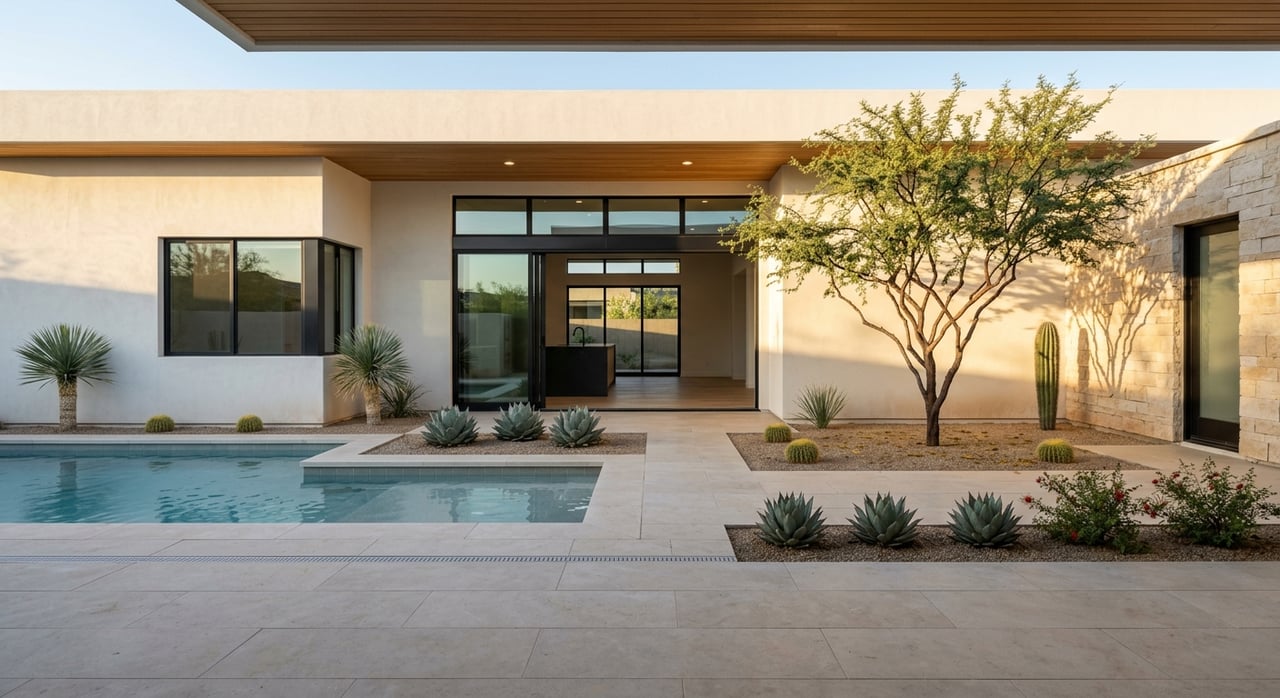
A backyard that looks beautiful in photos may feel very different during peak summer afternoons. When you tour, think beyond curb appeal and ask yourself how the property will function during the hottest months.
If your move timeline requires a summer search trip, be strategic. The National Weather Service recommends hydration, light-colored clothing, shade, and scheduling strenuous activity during the coolest part of the day.
For most buyers, that means early-morning showings, shorter driving loops, and indoor breaks between appointments. You will likely get more from your visit if you avoid packing a full day of midday touring into your schedule.
Phoenix covers about 517.7 square miles, so location decisions are rarely simple. The city’s mean travel time to work is 25.6 minutes, but your own experience can vary a lot depending on which part of the metro you choose.
That is why relocation buyers should think in terms of corridors and daily patterns, not just city limits. A home that looks ideal on paper may feel less practical if it adds too much cross-metro driving to your week.
Before you choose an area, identify your main anchors. These often include your workplace, the airport, regular errands, and any places you expect to visit often.
Phoenix Sky Harbor can be especially important for relocation clients who travel often. The airport connects through major routes including Loop 101, Loop 202, I-10, US-60, and AZ-143, which can help you judge how convenient certain areas may feel over time.
Phoenix does offer public transit options, but access is very location-specific. Valley Metro Rail provides 35 miles of light rail service across Phoenix, Tempe, and Mesa, with 49 stations, 12-minute peak frequency, and service every day of the year.
The broader Valley Metro network also includes bus service across the Valley. Still, if transit matters to you, it is best to evaluate each area individually rather than assuming the same level of access citywide.
Phoenix is not a one-type-of-home market. Census QuickFacts show an owner-occupied housing unit rate of 57.3%, a median value of owner-occupied housing units of $420,700, and a median gross rent of $1,582.
For many relocation buyers, that means your first decision may not just be where to live, but also whether it makes more sense to buy right away or rent first while you learn the city.
The City of Phoenix highlights a wide mix of housing options, including multi-family housing, rentals, senior housing, homeownership programs, and family housing ranging from apartments to single-family homes with one to five bedrooms.
That variety gives you room to match your housing choice to your stage of life, budget, and long-term goals. If flexibility matters, it is worth looking at several housing types before narrowing your search.
As you compare properties, you may notice a practical tradeoff. Older homes in more central areas may offer larger lots or a more established setting, while newer homes may offer more current layouts and systems.
Neither option is automatically better. The right fit depends on how you weigh location, maintenance, design, and long-term plans.
If you are relocating with long-range goals in mind, Phoenix’s accessory dwelling unit rules may matter. The city’s 2024 ADU standard-plan library was designed to help speed permitting and reduce cost, and late-2024 ordinance changes allow two ADUs per lot in some cases, with a third possible on certain lots.
The city also notes that guest-house rules generally cap each ADU at 75% of the main house’s gross floor area, subject to lot-size limits. For buyers who want future flexibility, that can make certain properties more appealing.
Not every property will qualify for the same options. The city specifically advises owners to verify zoning and check HOA rules before assuming an ADU or similar accessory use is allowed.
This is especially important if you are considering an older lot, an investment-minded purchase, or a home that may need to support changing needs over time. A little upfront research can help you avoid costly assumptions.
A well-planned Phoenix search trip can save you time, energy, and frustration. In a large metro, it usually works better to group showings by access pattern instead of zigzagging across the region all day.
That means organizing your itinerary around geography and drive routes. When homes are clustered thoughtfully, you can compare areas more clearly and spend less time in the car.
A practical relocation search usually starts with three things:
Once those are clear, your home search becomes much easier to structure. You can sort neighborhoods and property types based on how they support your real daily life.
Late fall through early spring is usually the most comfortable time for longer outdoor touring days. If you visit during summer, plan around early mornings and include indoor breaks.
Monsoon season adds another factor. Arizona weather during late summer can bring lightning, flash flooding, and hazardous roads, so it is wise to build backup time into your schedule and stay flexible with driving routes.
A relocation move can feel fast-paced, so it helps to keep a practical checklist in mind. In Phoenix, some of the most important items are shaped by climate, lot use, and local rules.
As you evaluate a property, look closely at:
These details can affect both your comfort and your long-term options. A home that fits your budget is only part of the equation. It should also fit how you plan to live in Phoenix.
Relocating is not just about finding a nice home. It is about choosing a property that works with Phoenix’s climate, commute patterns, and housing mix while still supporting your financial goals.
That is where a thoughtful search strategy matters. When you combine local insight with a clear look at lifestyle fit, carrying costs, and future flexibility, you are in a much better position to make a confident move.
If you are planning a move to Phoenix and want a more tailored, financially informed search process, Rami Haddad can help you evaluate neighborhoods, housing options, and property choices with clarity.
Stay up to date on the latest real estate trends.

From pricing and marketing to negotiation and closing, Rami delivers a customized plan designed to maximize results and minimize stress.